


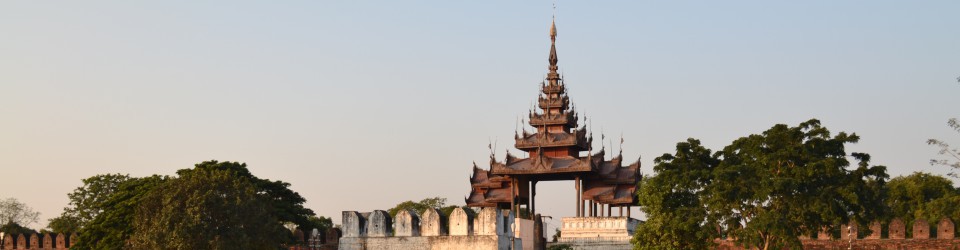
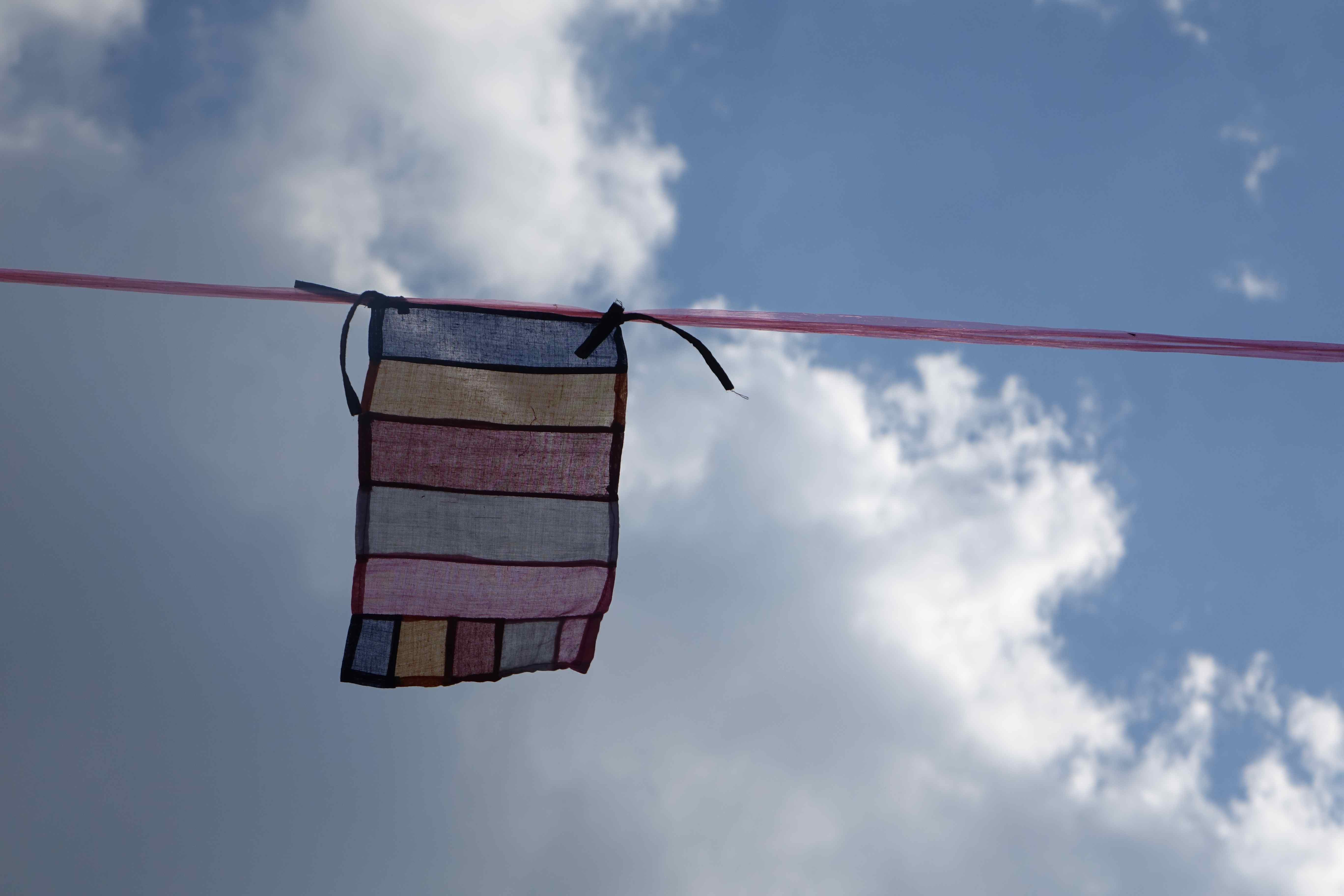
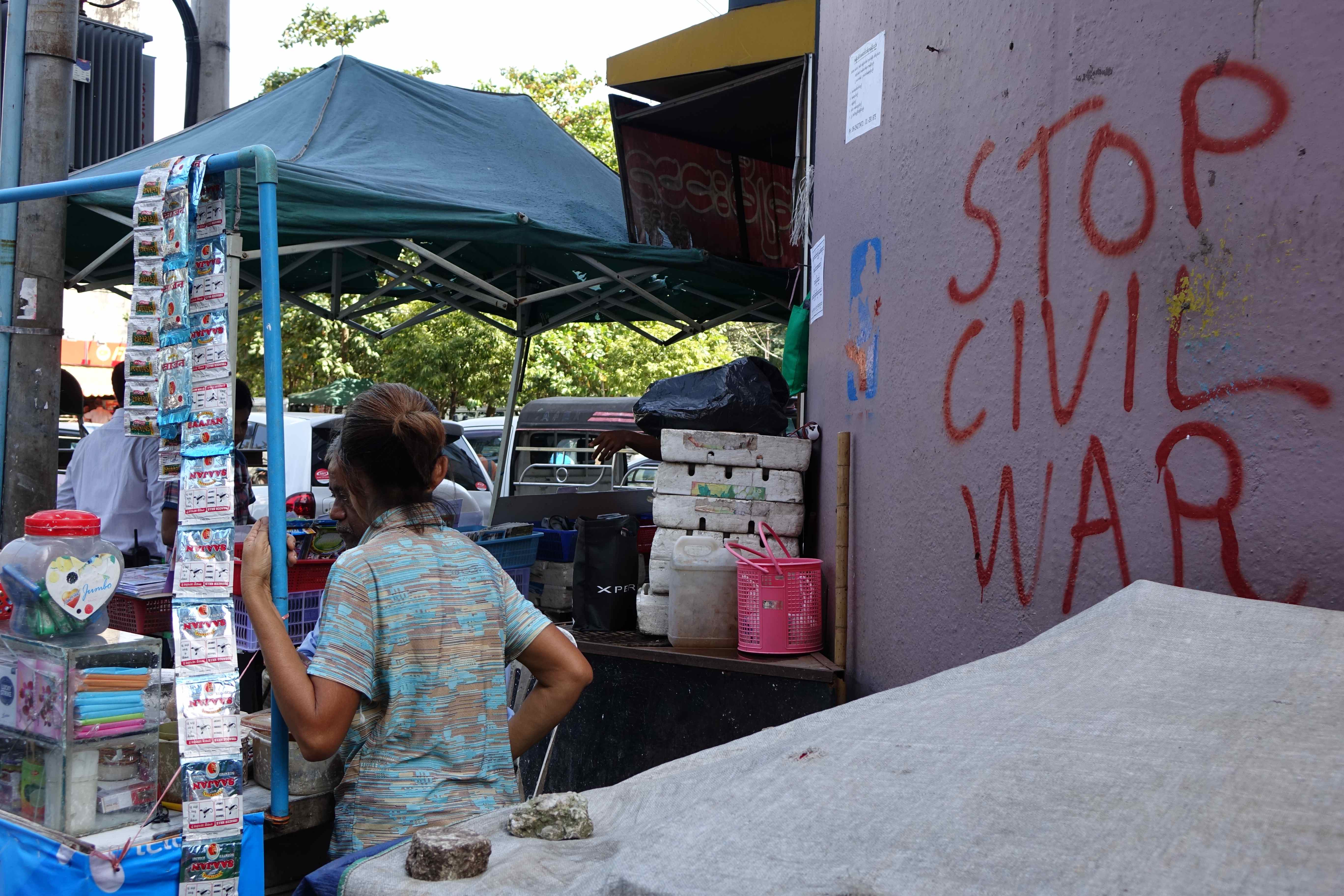
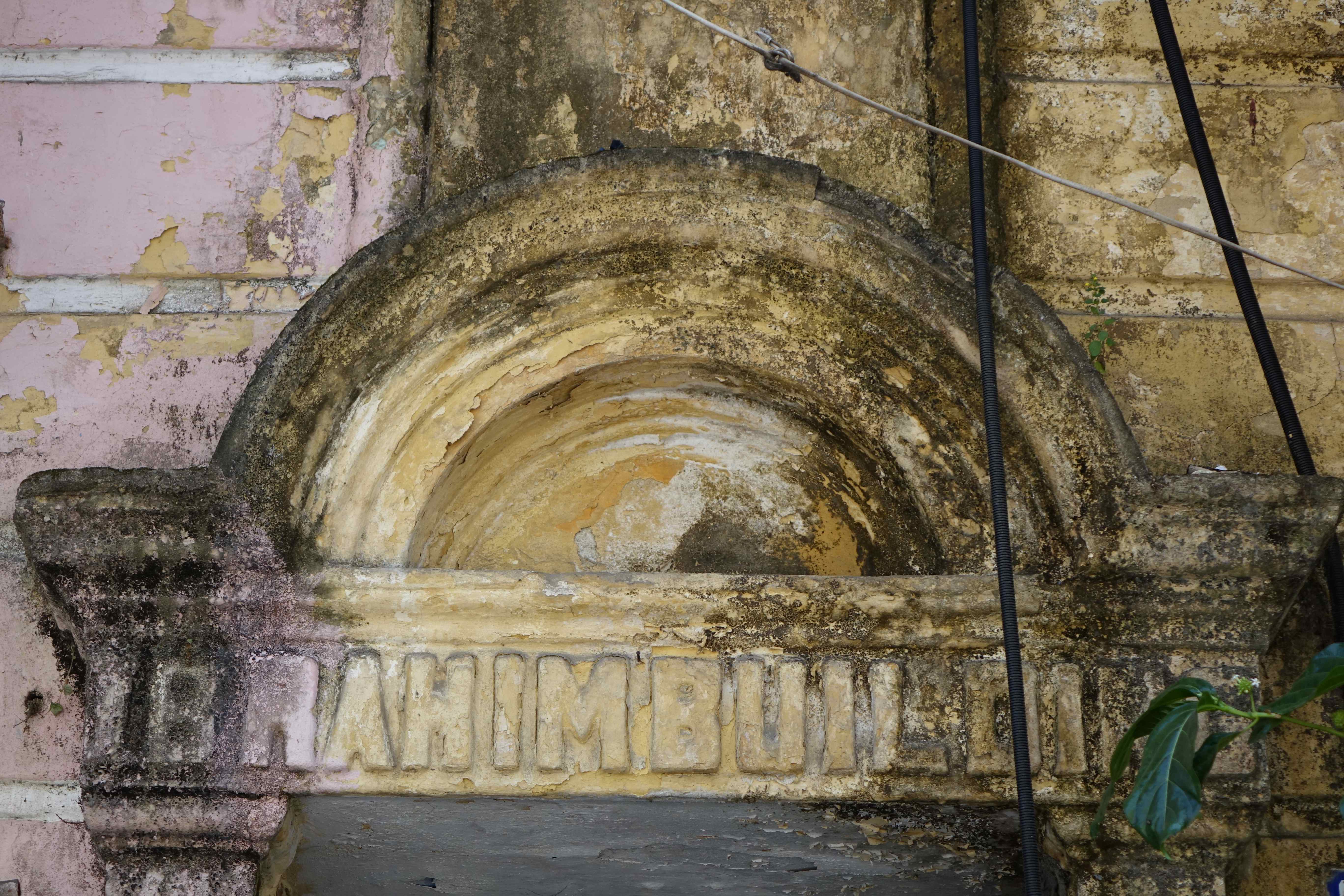
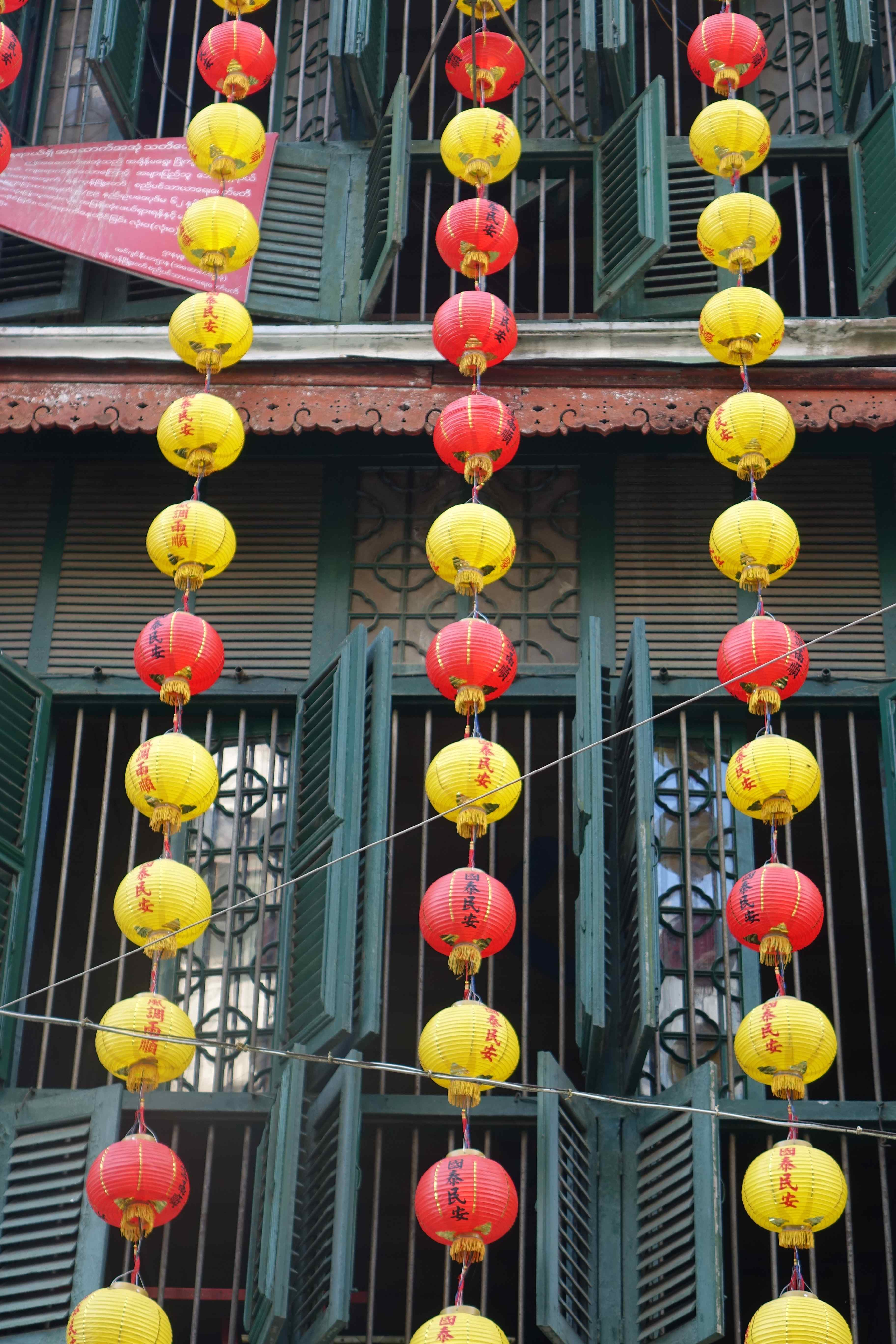
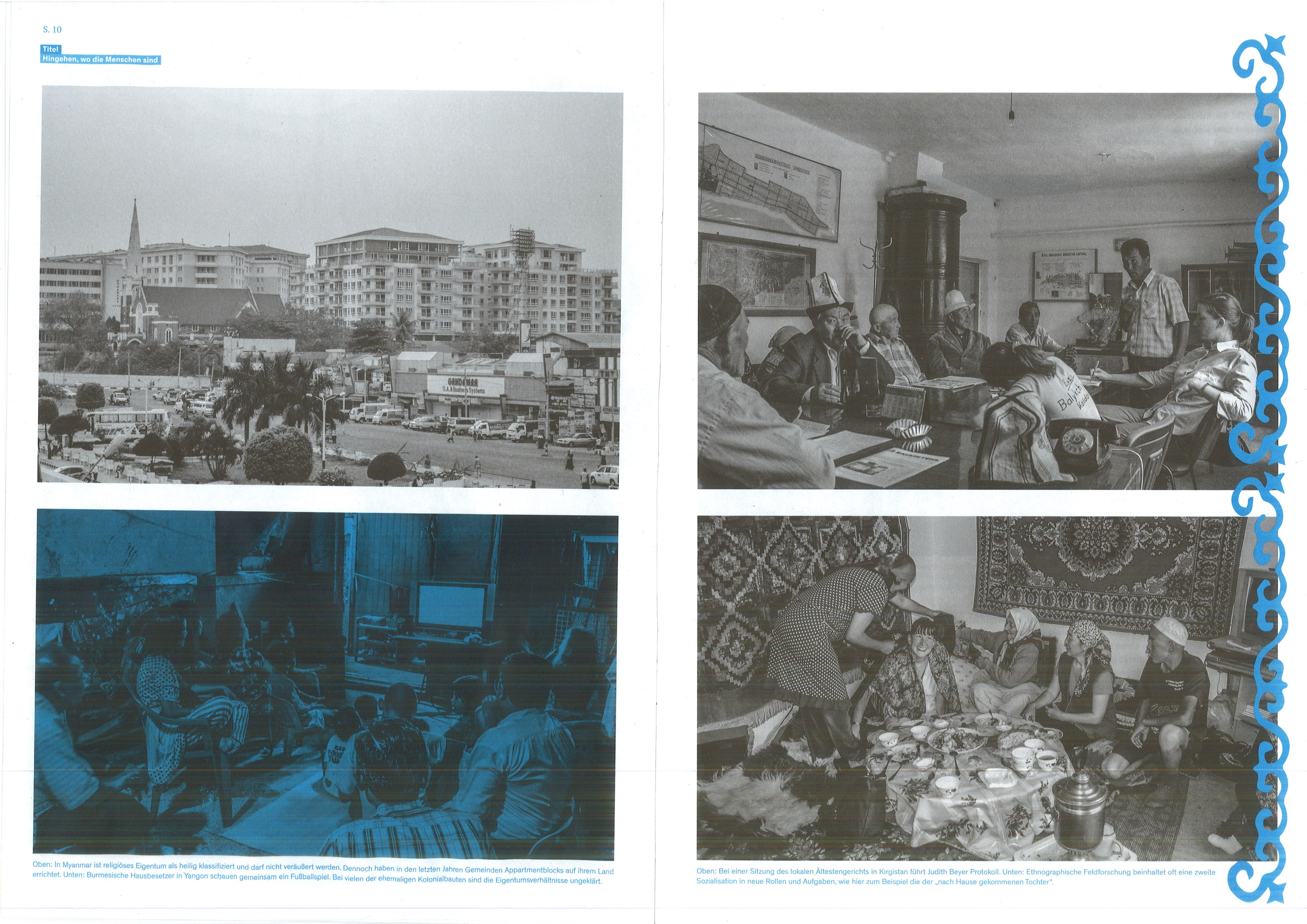
 First impressions from Yangon, Myanmar where I will be based until May 2016. The city has changed a lot in the last two years since I visited, mostly in terms of transportation and mobile phone use. What has remained the same are the great street food eateries, the use of loudspeakers to convey religious messages, lottery ticket sales and other important or not-so-important events. I missed the people a lot and its great to find almost everyone in good health and spirits. Nothing beats fieldwork, really! J.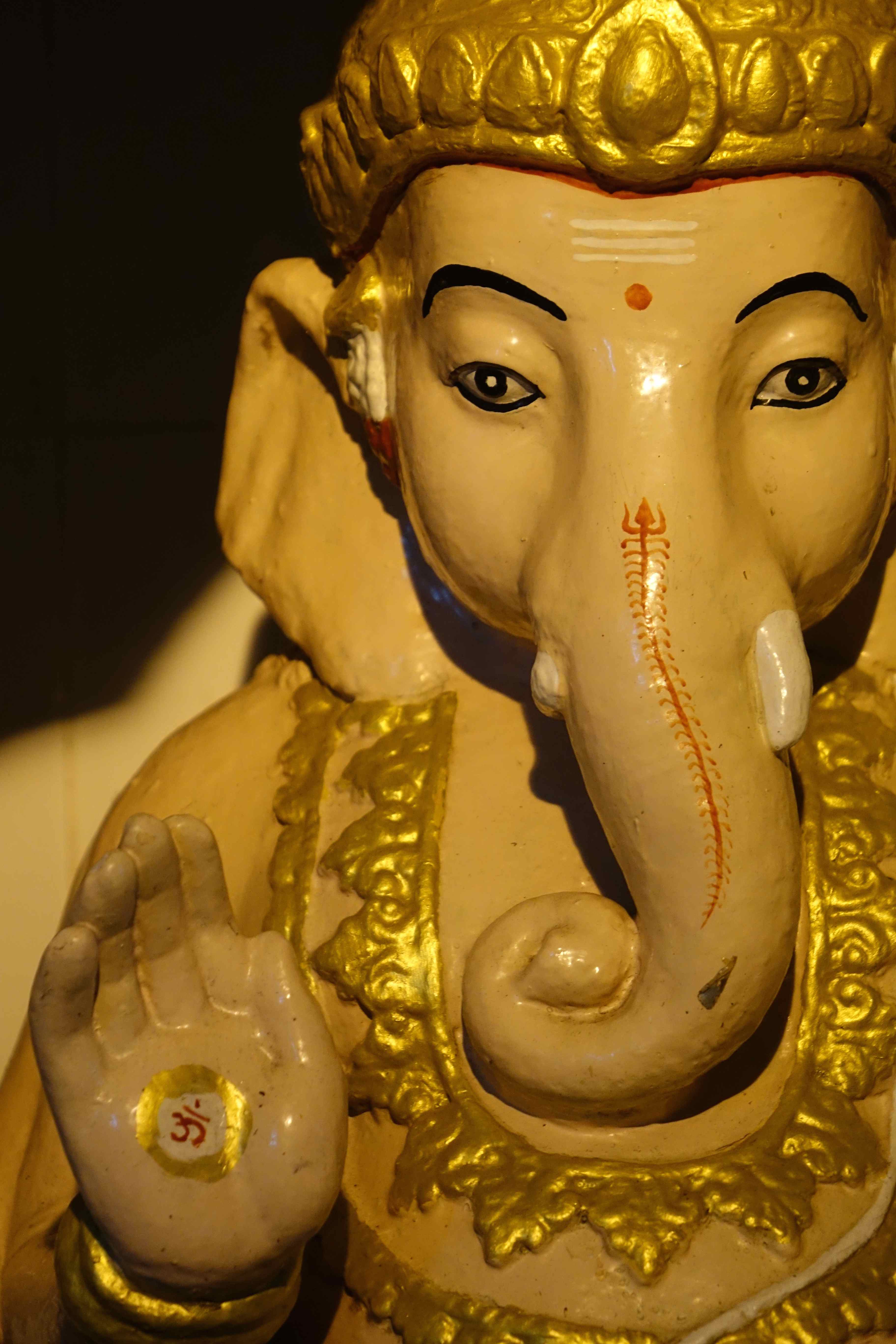




The thought crept into my mind today and refused to let go of my brain. It said “What if we have no f*ing clue?” Going to bed with images of crying fathers holding their children – ‘Are they dead? Oh thank God, only sleeping!’ – , waking up with stories of rotten bodies, locked into a van used for transporting poultry. Heaps of rotten meat. This is not happening in Syria. This is Syria happening in Europe. Those who survived are here. But what if the war that was carried out on their backs will follow them? Did it ever occur to you that Europe is not facing a “refugee crisis” but is already part and parcel of several wars that have forced hundreds of thousands of human beings – like you, like me – to leave everything behind to save bare life? Their crisis is our crisis, but we don’t pay the price yet that they have already paid. But we might, if we don’t act.
I feel I am responsible at least in part for their desperation. Because as a German citizen I have voted for a certain party, have legitimized a certain type of government, because my taxes are used in ways I cannot control any more. Because I live in an area of Germany, which is profiting from the military industry that is located all around me; that exports weapons, drones and military equipment to I don’t know where. The thing is, there are people who do know, who are responsible, who profit, who might even believe that this is needed for ‘security’, ‘stability’ or – probably the most honest reason – because a lot of German citizens earn their money with these kinds of endeavours.

Recent demonstration in Constance, Germany against the military industry located on the shores of Lake Constance in Germany, Switzerland, and Austria. Photo credit: Felix Girke
This morning at a local farmer’s market in my small picturesque town in Germany an elderly woman approached the mostly well-off clientele with a request to donate whatever they could afford for “refugees from Syria.” She offered small bouquets of rosemary in return which she had collected from her garden, I overheard. I felt anger. In fact, I became so angry, I had to turn away. What made me angry was not her compassion and her initiative of wanting to “do something.” Where would we be without people like her? Or so many others in Greece, Italy, Jordan, Serbia – all devoting their lives to ease the suffering of thousands. My current anger is directed towards the nebulous “system”, towards “those in power” whom I consider responsible … but how do you hold “them” accountable? There is no way to trace the origin of a ‘crisis’, which has reached the scale of what we are witnessing right now, everyday. How can you prevent our grandchildren from accusing us that ‘they knew, but they did not do anything’ – Germany has been there before. So what to do? Donate money, children’s clothes and food products? Check. Write letters to politicians? Check. Be thankful for every calm and sunny summer day and hug your own child a little longer? Check. But still. The thought won’t go away: We have no f*ing clue how to make this stop.
Looking outside my window, I see a large spider spinning its web, waiting patiently for prey. I still want to believe we are not trapped. We are the net.

Update on September 3, 2015:
In the last days I have began to communicate with a couple of people who do amazing work in different parts of Greece and Germany right now. All work privately and have financed their support for refugees through crowdfunding. Please consider helping them, and donate whatever you can .
1. Help for refugees in Molyvos (you can also contact molyvosrefugees[at]gmail.com)
5. Jillian York (she collects money and transfers it to Budapest so that technical supplies such as cell phone chargers can be bought for refugees currently stuck at the train station; also: check her own page for another list)
6. Eric and Philippa Kempson (they have set up amazon wishlists with important food products, medical supplies, clothes,…)
*****

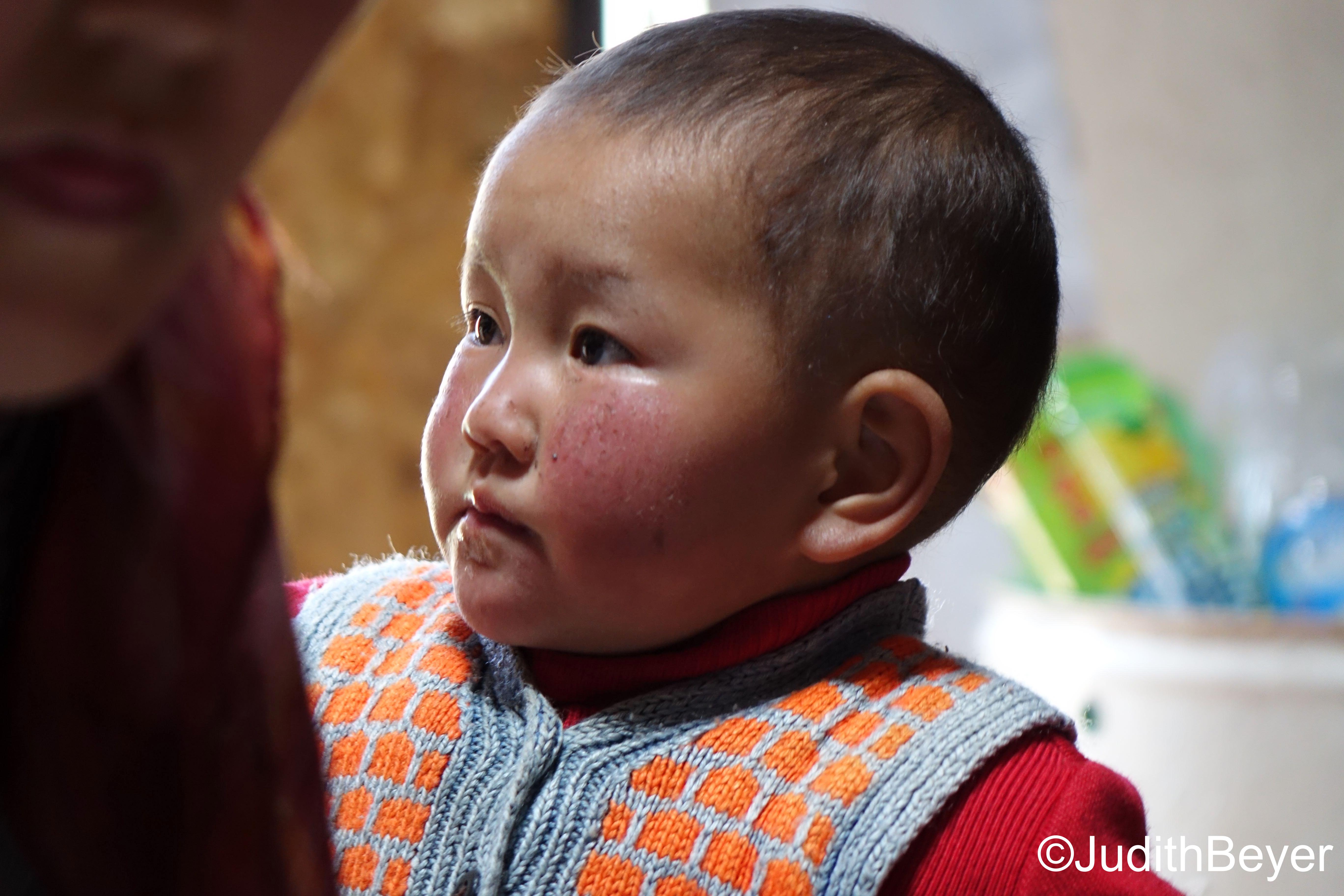
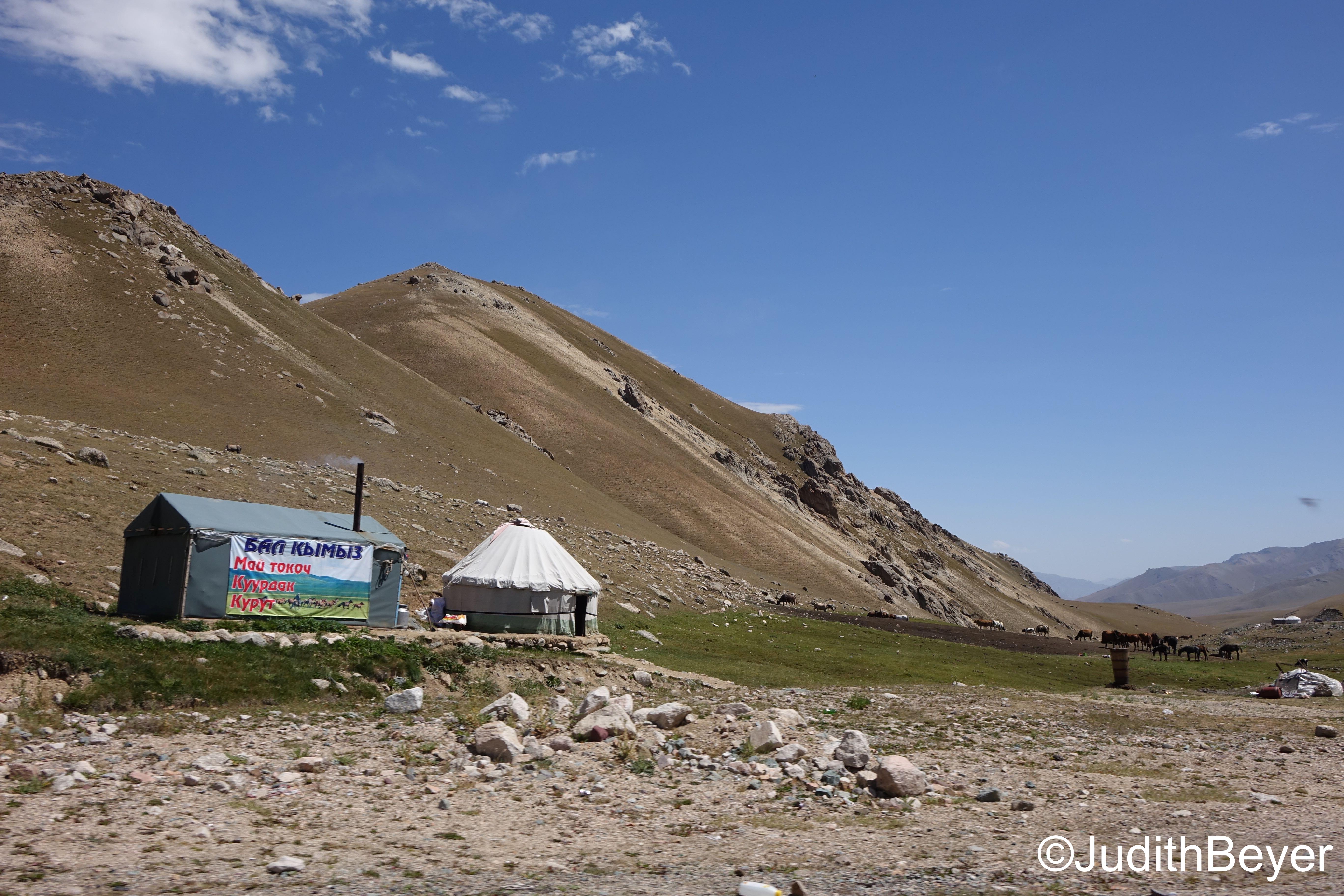
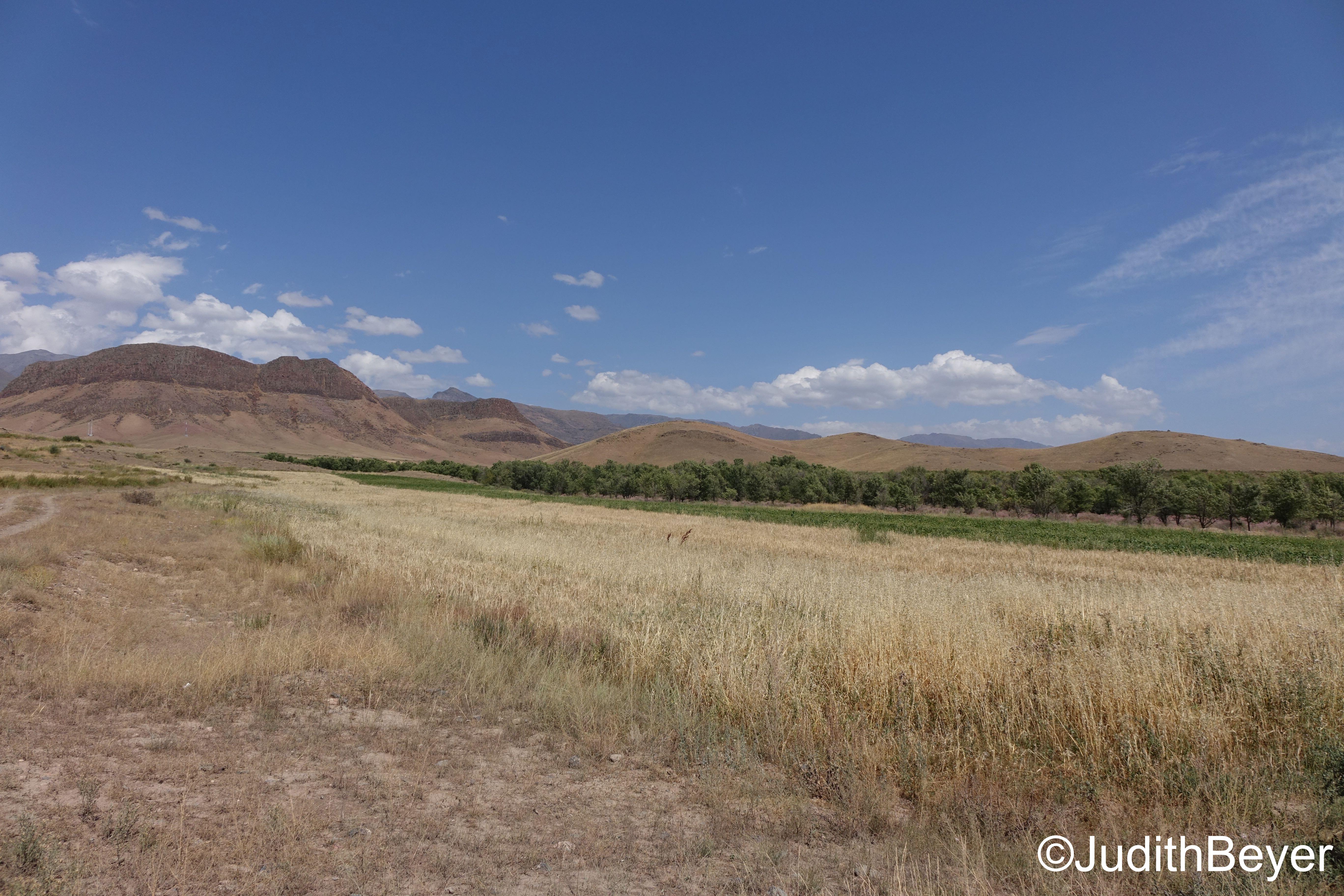
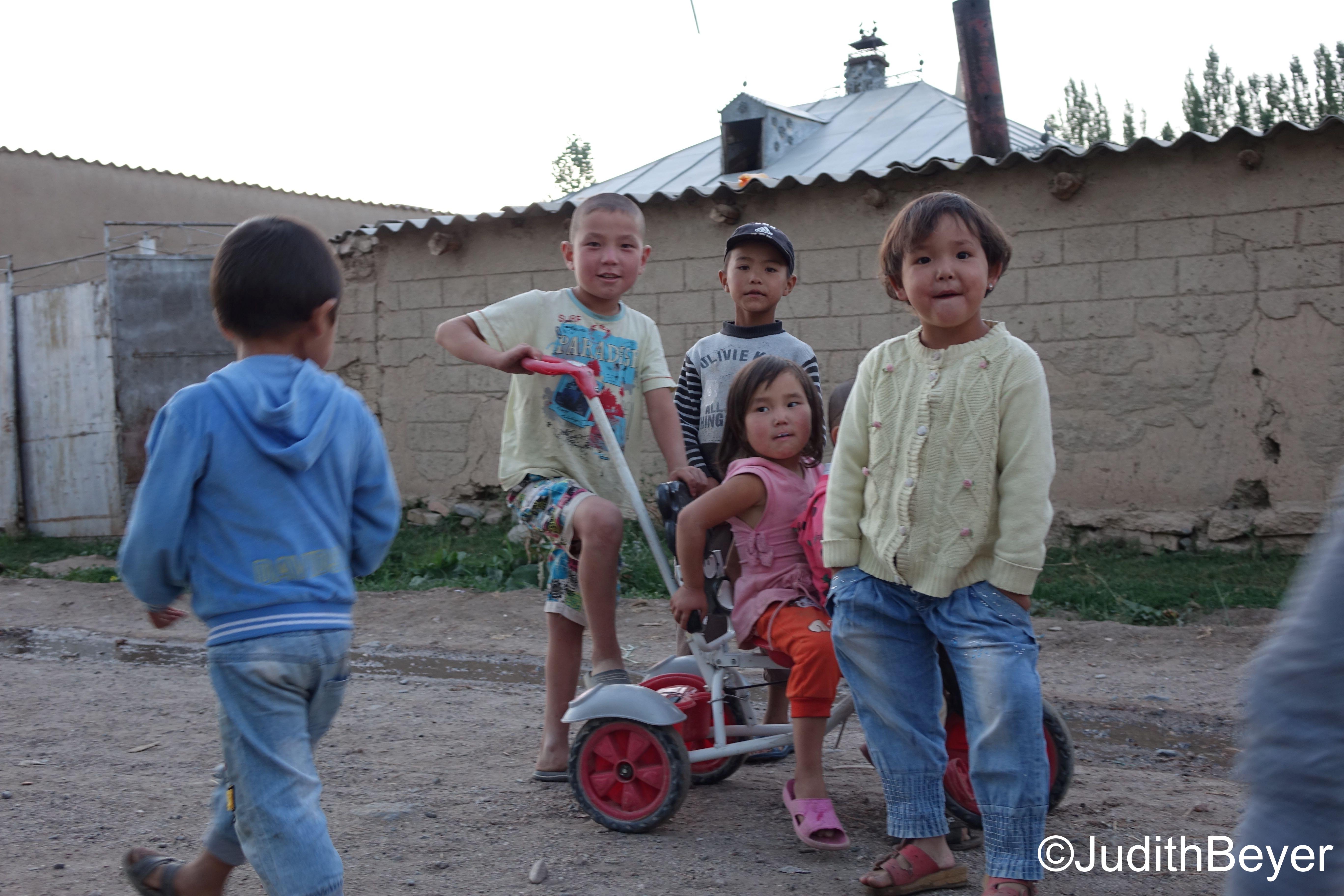
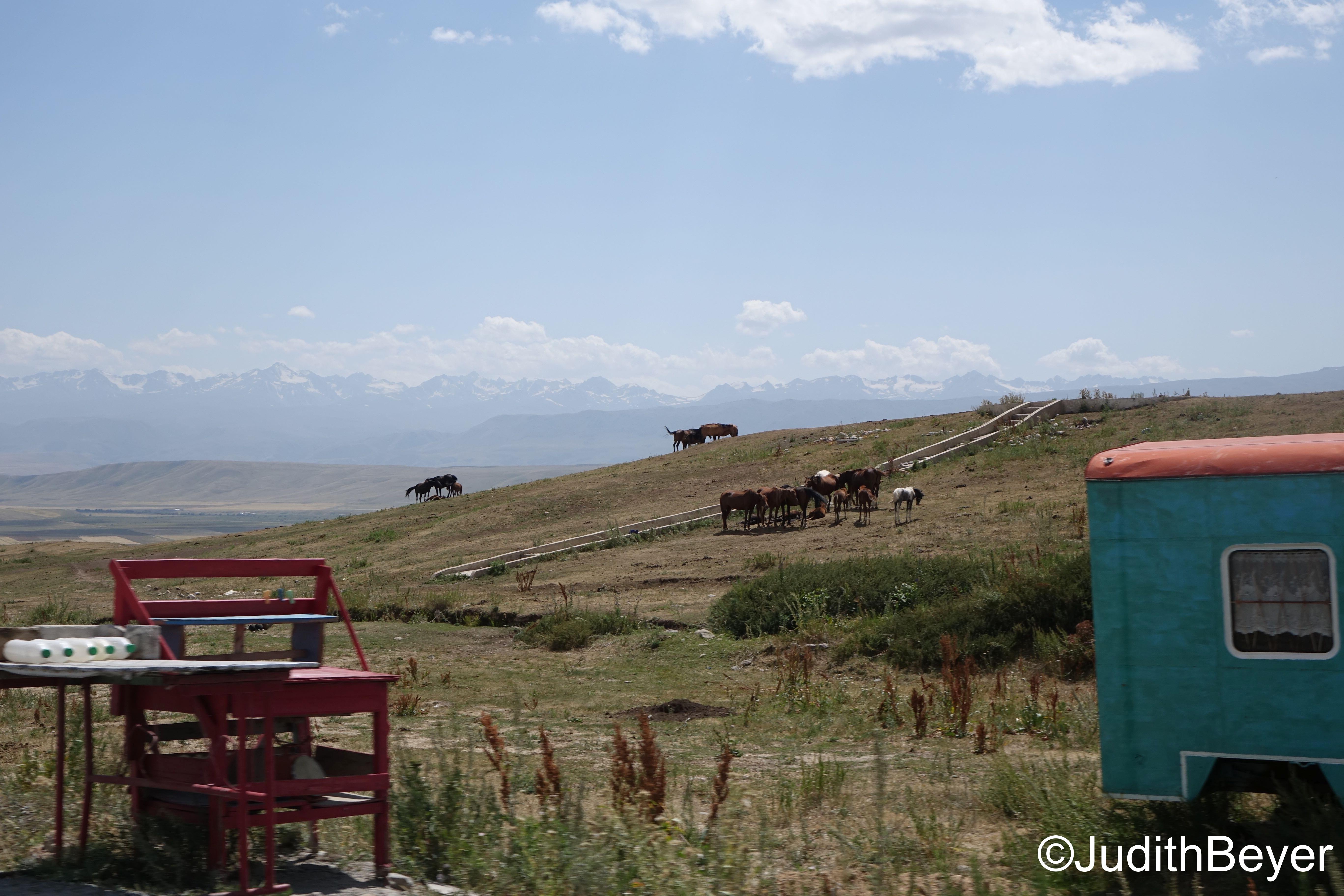
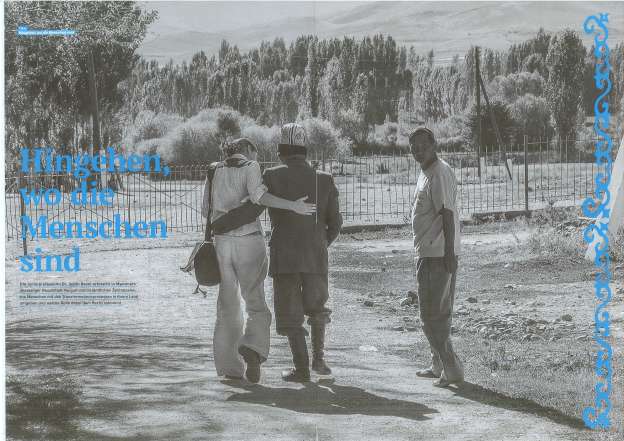
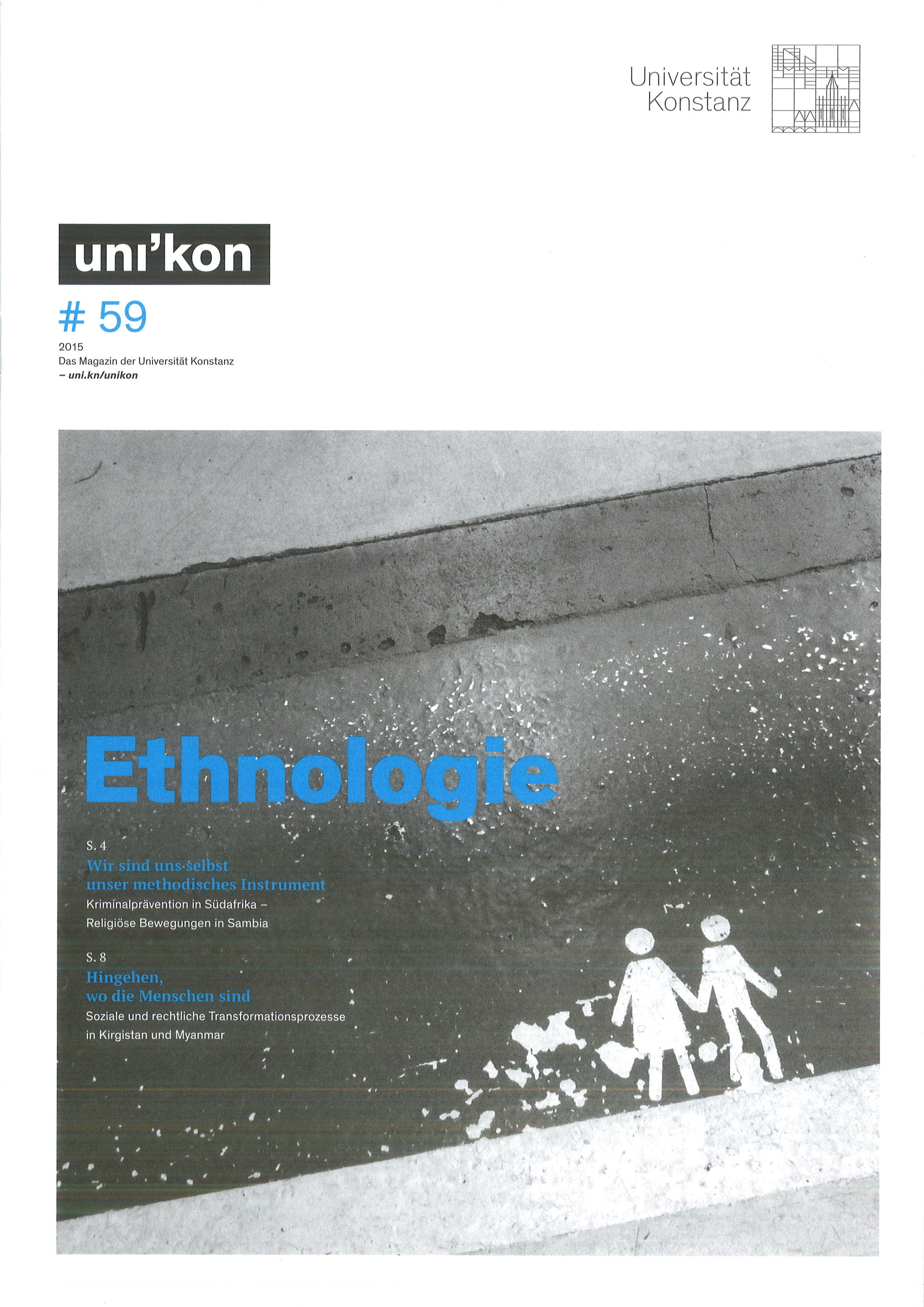
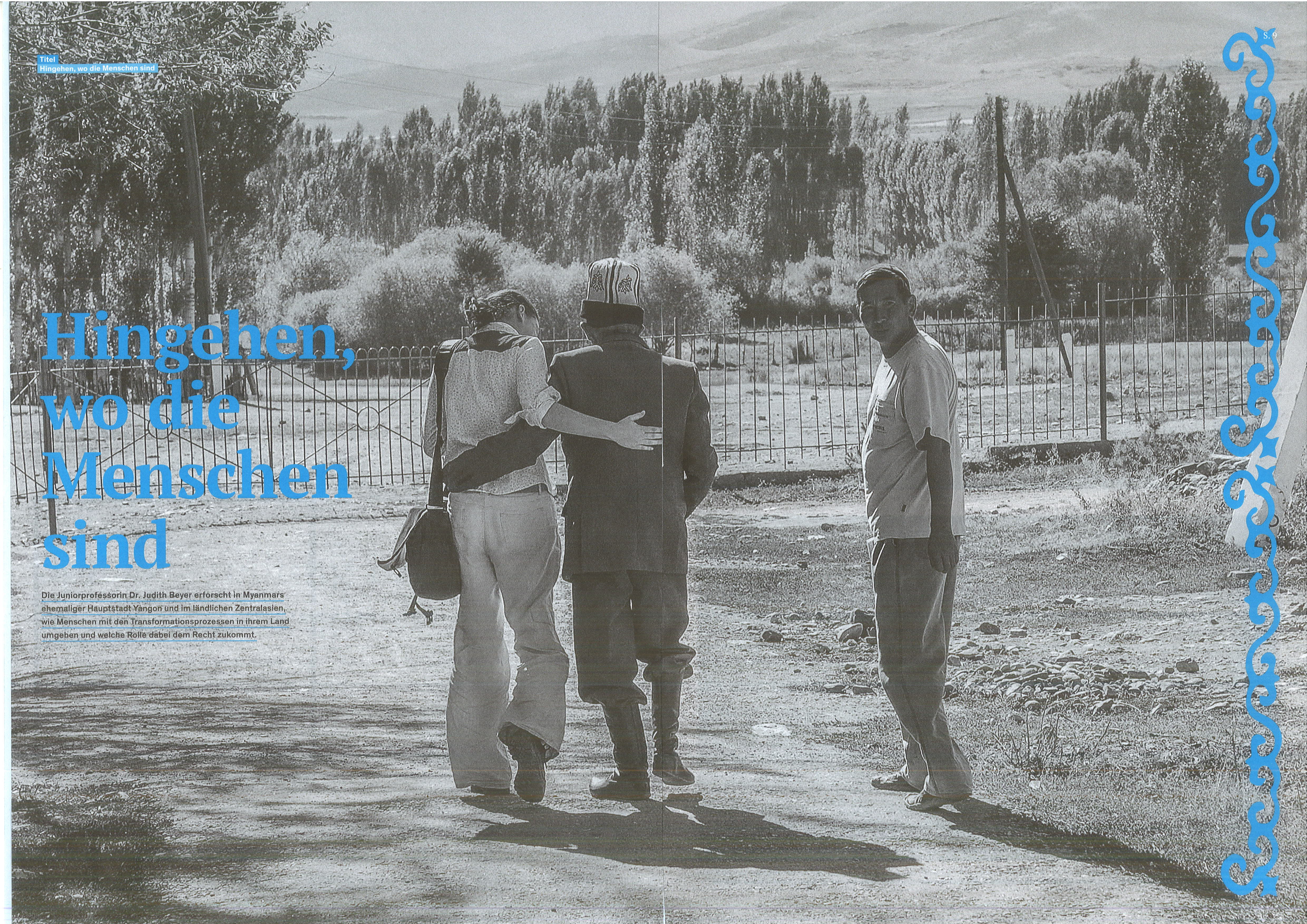
I carried out some follow-up fieldwork in Northern Kyrgyzstan in order to finish my book which is due at the end of September this year. I had a wonderful time, met old friends and made new ones and really enjoyed the cool and starry nights in my village in Talas province, and the hot days in the capital Bishkek.


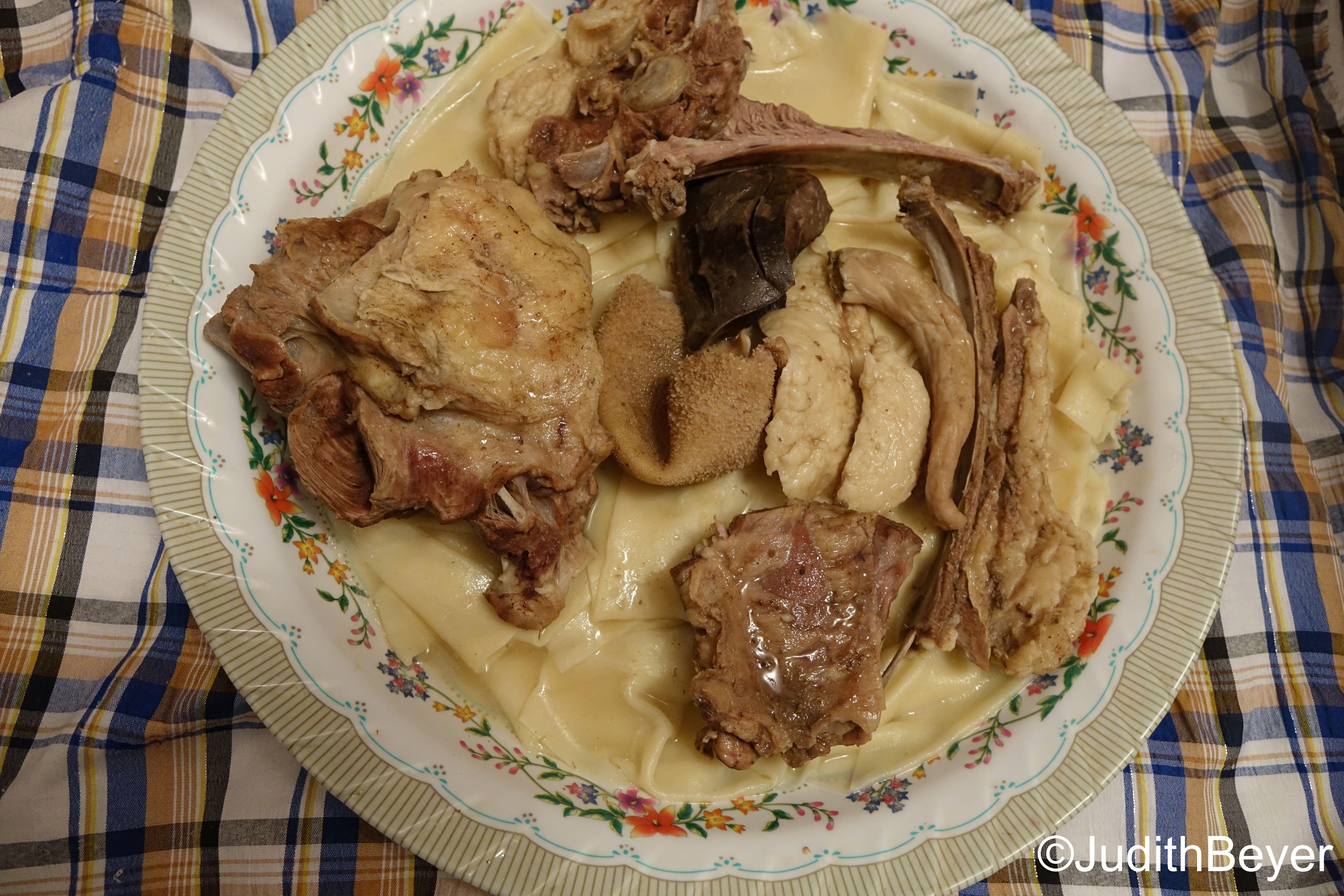
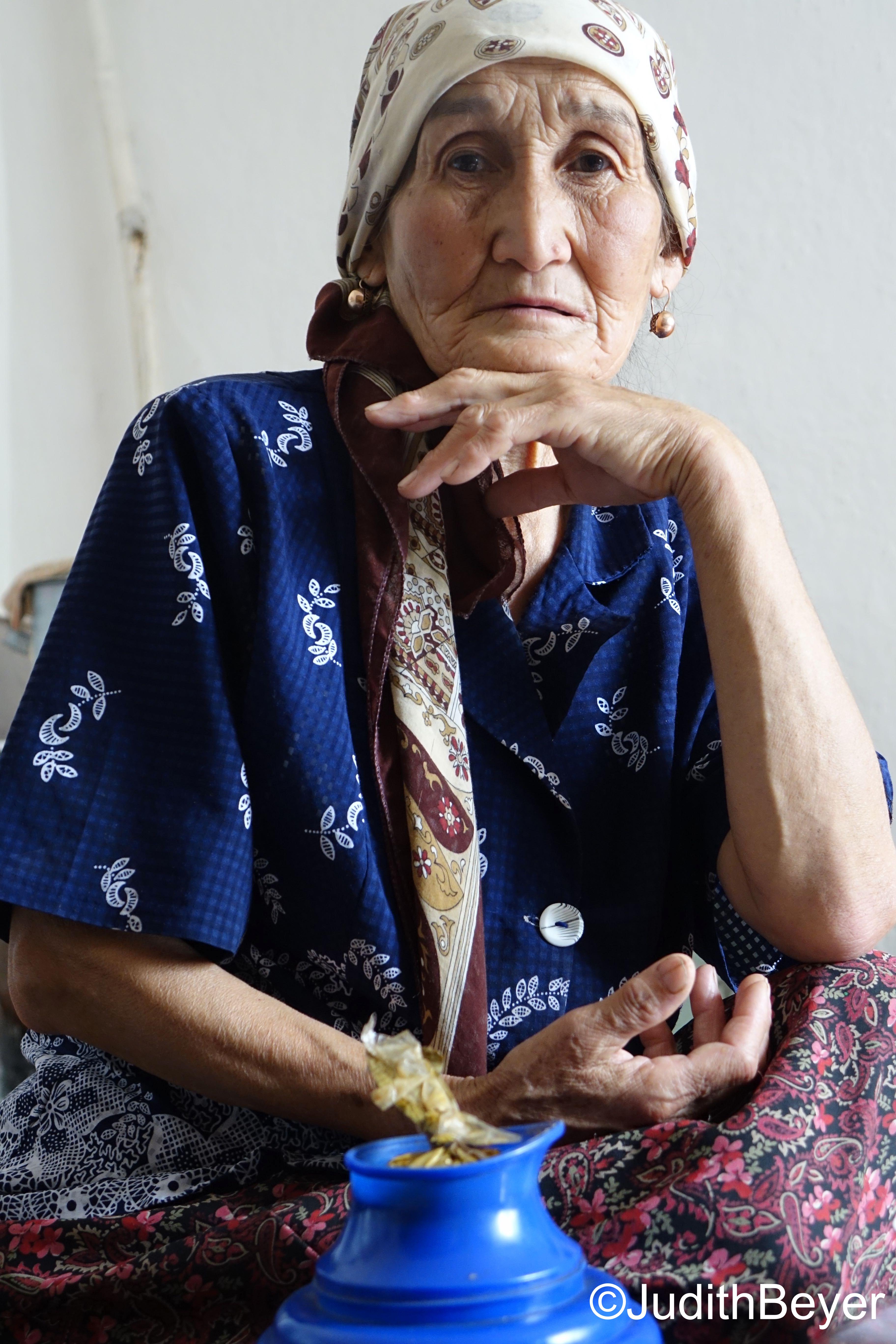
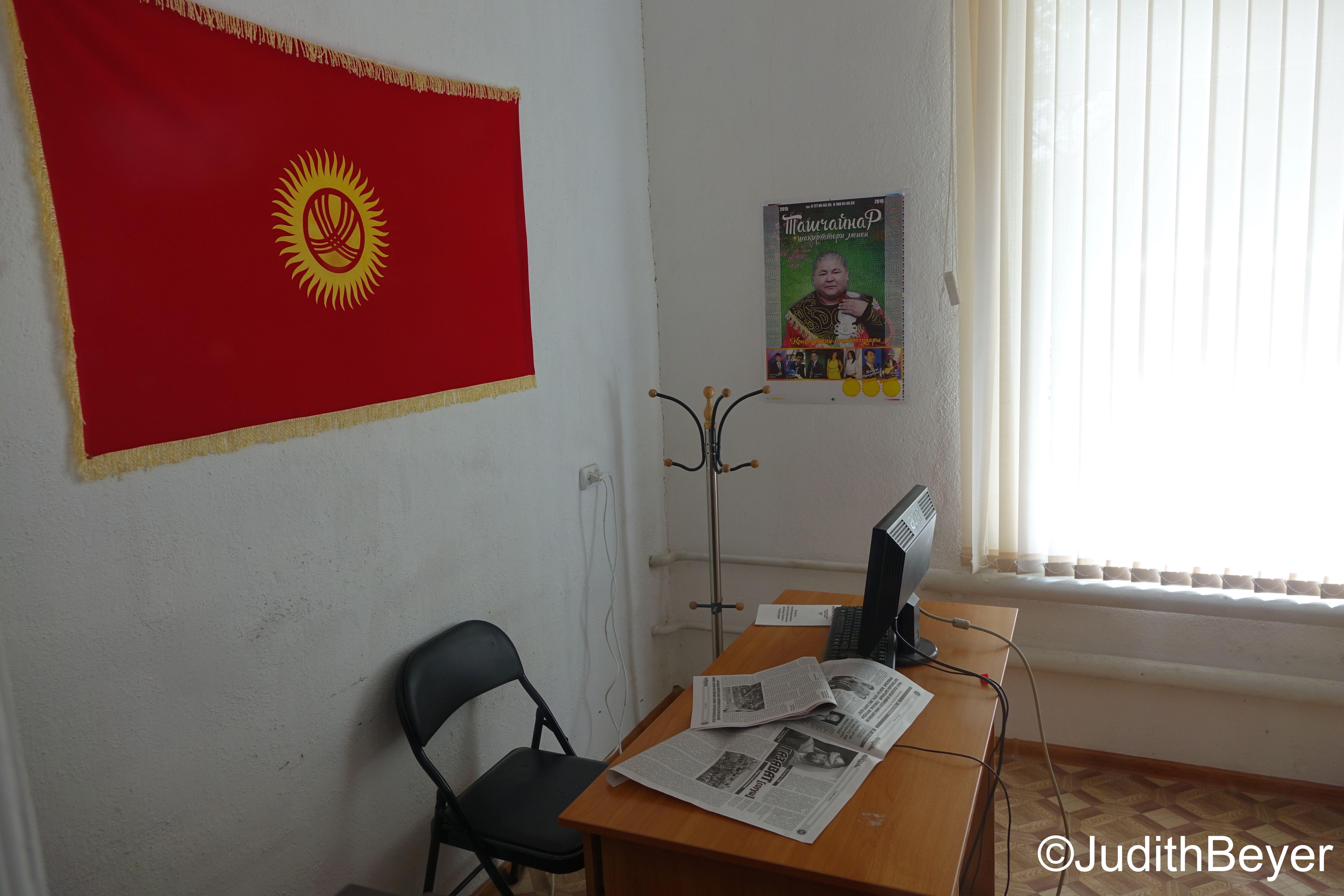

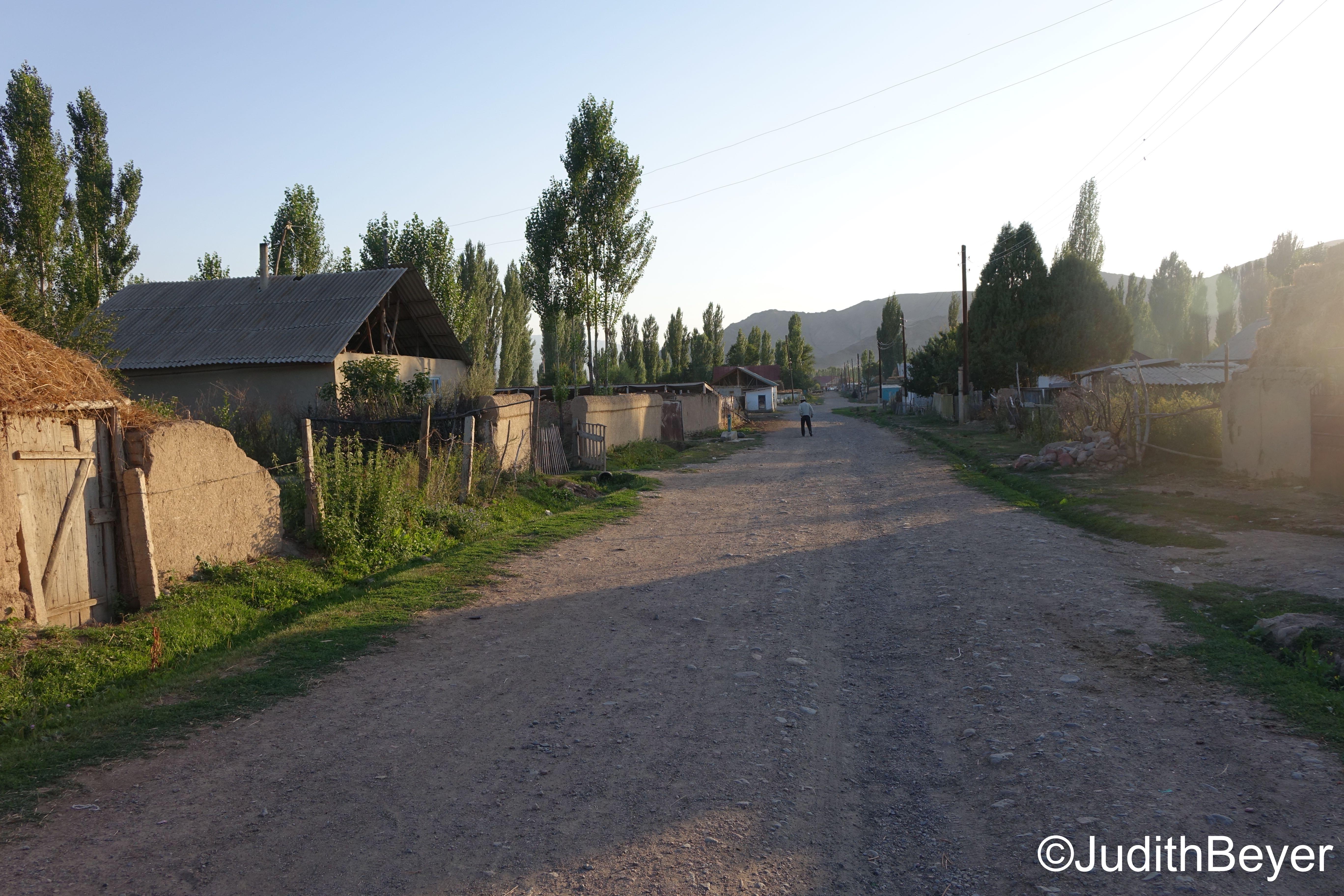


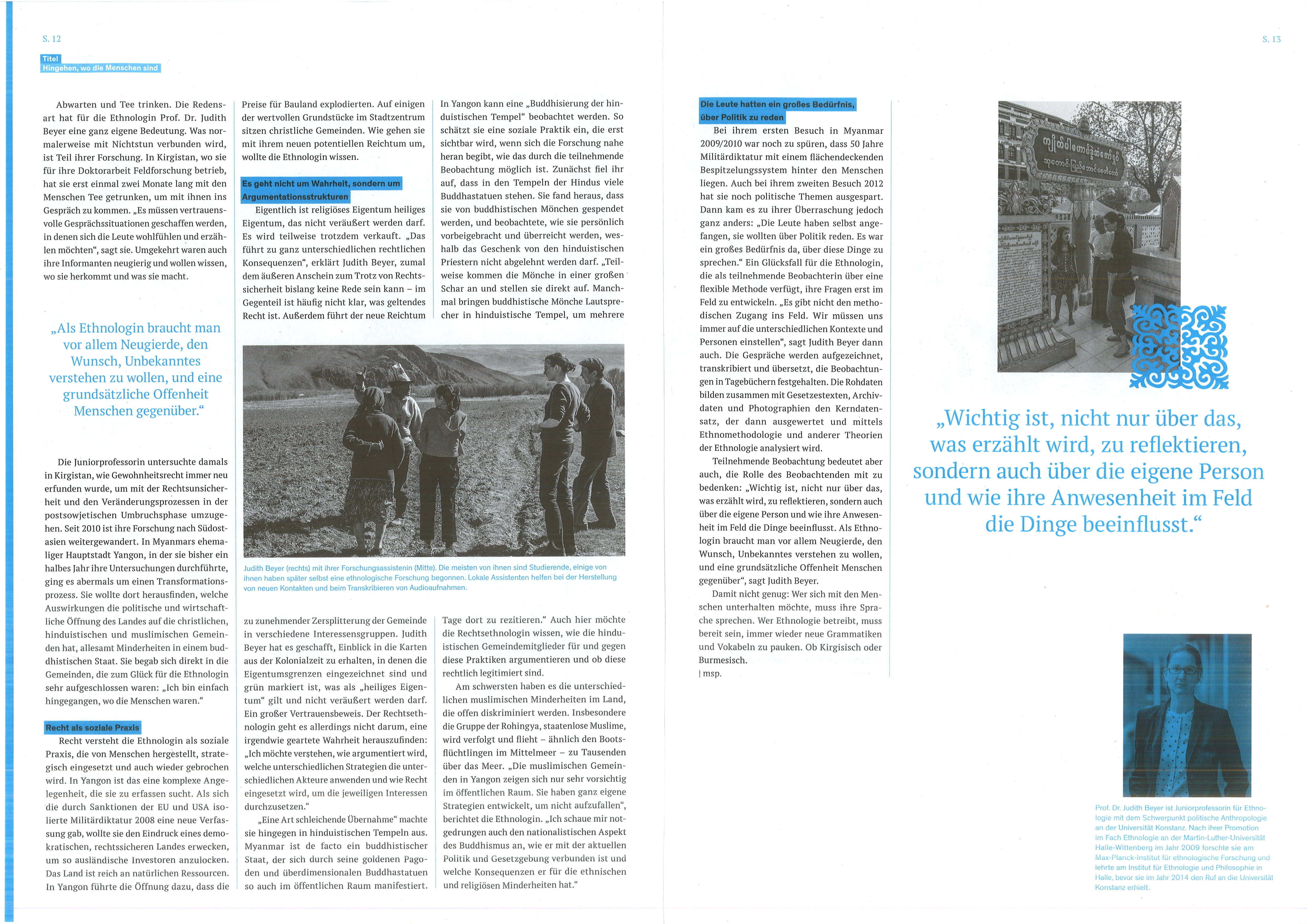
I wrote a blog post for allegralaboratory.net on Anonymous Peer Review and how it is often achieving the opposite of what it is supposed to. With helpful hints on how to review better!

MA-Seminar Winter term 2015 / 2015 at the University of Konstanz
The seminar introduces theoretical concepts that have sparked debates in anthropology and sociology in recent years. We will examine these new approaches in the seminar by drawing on the milestones of theoretical development already achieved. Furthermore, in the interests of grounded theory we will examine and discuss concrete case studies in each seminar class, and what advantages and disadvantages these current concepts have in comparison to the more established approaches. Can we understand central themes such as society, state, social organisations, history, temporality, gender, identity or ethnicity better than before with these new theories? In addition to an in-depth examination of each approach, the seminar will thus at the same time keep a sharp eye on ‘progress’ and innovation in the social and cultural sciences.
All students enrolled in the Masters Programme “Anthropology and Sociology” or related disciplines at the University of Konstanz are eligible to attend.
BA-Seminar in Sociology, University of Konstanz, Germany
Winter term 2015 / 2016 (starting mid-October 2015)
Dispute is a human universal and an integral part of social life. Why this is so, however, has been interpreted differently in the social sciences. How do disputes start at all? What happens when we argue? When does an argument become a legal dispute? When does a dispute divide us, and when does it bind us together even stronger? And when is a dispute actually ended?
Scholars of legal anthropology and legal sociology have studied different dispute settlement procedures since the 1960s. In the sociology of law this has occurred primarily in the context of Western state jurisdiction. In legal anthropology, it has occurred in the non-European context, focussing on non-state actors such as councils of elders or religious leaders. In the course of (post-)colonisation, Western-style state jurisdiction was exported to the global South, while dispute settlement procedures (ADR, Alternative Dispute Resolution) enjoyed increasing popularity in Western societies. Both developments are scientifically controversial as their practical success is questionable.
In the seminar we will read texts from legal anthropology and legal sociology. Furthermore, we will draw extracts from classical ethnographies, and try to grasp theoretically how disputes and their proceedings have been studied in non-Western societies, along with new approaches, and phenomena well-known to us such as disputes over the neighbourhood apple tree, the fascination with “court shows,” as well as the trans-local arbitration of disputes in international courts. Moreover, the seminar is also dedicated to qualitative methods, through which dispute settlement procedures can be investigated.
All students enrolled in a sociology BA or a related discipline at the University of Konstanz (Germany) can attend.
Radio Interview for Radio France International. ‘Buddhist Nationalism in Myanmar.’ May 27, 2015. available here (2 parts):


 judith beyer