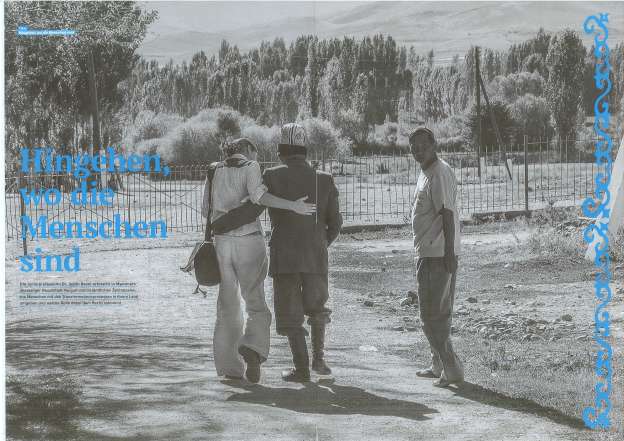
My old school (Alte Landesschule Korbach) published an interview with me this month in their alumni journal. Sweet!

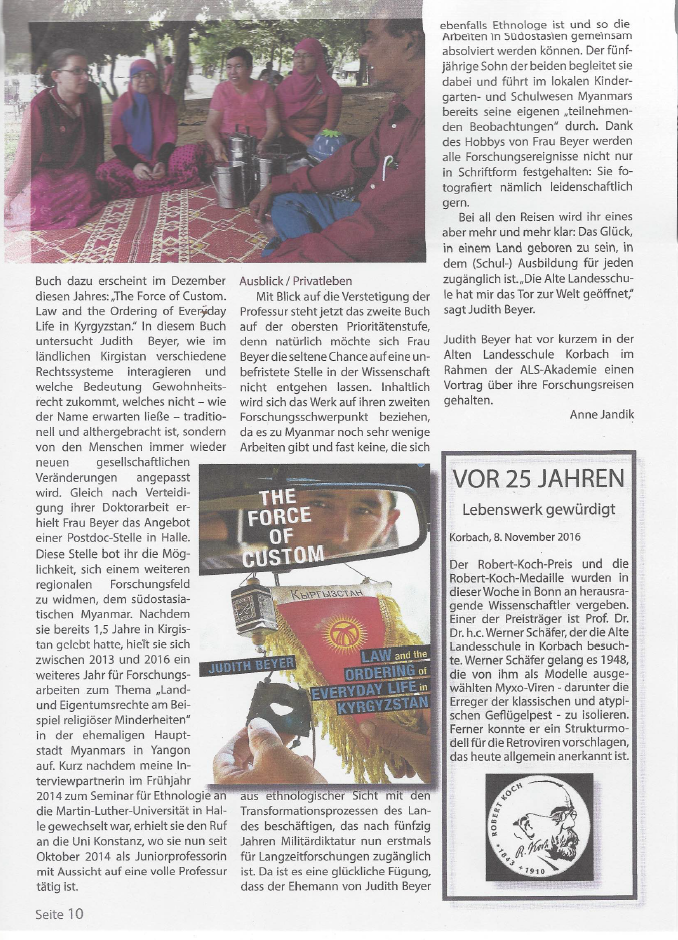
My old school (Alte Landesschule Korbach) published an interview with me this month in their alumni journal. Sweet!
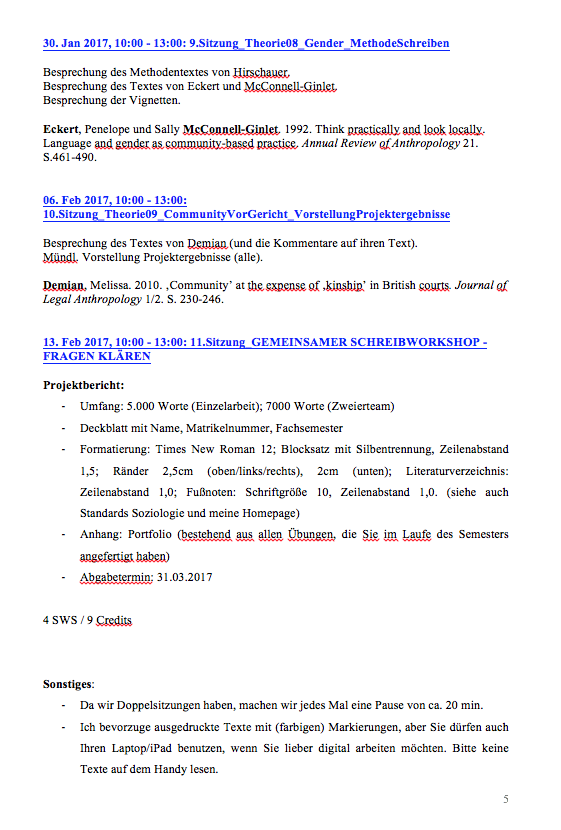
I am teaching a project seminar on the topic of “community” this semester (winter term 2016 / 2017) at the University of Konstanz. Here is the complete syllabus to the course. 



Aus der aktuellen Pressemitteilung der Universität Konstanz:
Zusammen mit Prof. Dr. Thomas Kirsch habe ich im vergangenen Jahr an dem neuen Masterprogramm “Ethnologie und Soziologie” gearbeitet – im kommenden Wintersemester 2016/2017 kann es endlich losgehen.
Der Master richtet sich an alle Studierende der Ethnologie, Soziologie oder benachbarter Fächer, die kleine Seminare mögen, selbst forschen wollen und in einer der schönsten Gegenden Deutschlands – im Dreiländereck angrenzend zu Österreich und der Schweiz (Bodensee! Zürichnah!) studieren wollen.

Ethnologie und Soziologie – Un amour fou.
In dem zweijährigen Studium ist eine Lehrforschung, die sich über zwei Semester erstreckt, fest eingeplant. Diese kann sowohl in Deutschland als auch im Ausland stattfinden. Die Ethnologie Konstanz hat mittlerweile Expertise in Afrika (Südafrika, Zambia) und Asien (Kirgistan, Myanmar) vorzuweisen und betreut deutsch- wie englischsprachige Abschlussarbeiten.
Anmeldungsfrist ist der 15. Juli 2016. Hier geht es zur website: https://www.soziologie.uni-konstanz.de/studium/studiengaenge/ethnologie-und-soziologie-ma/
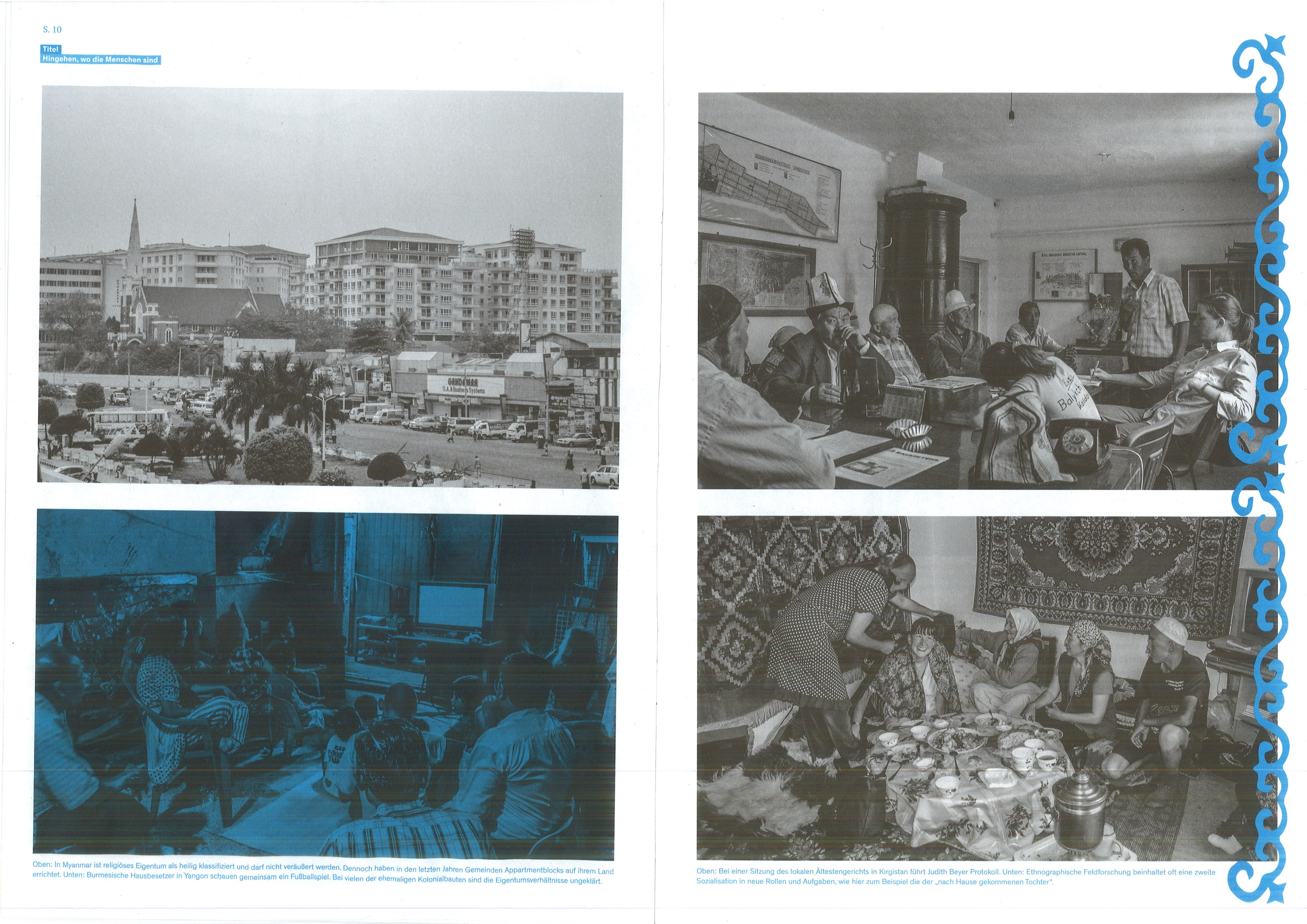
On April 1, 2016 I co-organized a one-day research workshop on “Doing fieldwork in Myanmar” with Dr. Felix Girke and the anthropology department of the University of Yangon. The event brought together 24 participants from Myanmar and German-speaking countries. Eleven PhD and MA students presented first findings from their on-going anthropological fieldwork in the country. The topics ranged from labour and migration to religion, livelihood, and cultural heritage ( see the final programme ). A major focus rested on questions of method and fieldwork practice. The students debated challenges and obstacles that they experienced while carrying out their research. More senior scholars guided them in further developing the conceptual frameworks of their studies.
After fifty years of authoritarianism, Myanmar has only recently become accessible for foreign researchers again. These students are thus on the forefront of a new generation of anthropologists carrying out long-time qualitative research in this Southeast Asian country. The University of Yangon itself had been off limits for most foreigners until 2014.
In our effort to bring about a Memorandum of Understanding between the University of Konstanz in Germany and the University of Yangon in Myanmar, this workshop was an important first step towards more institutionalized collaboration and academic exchange.



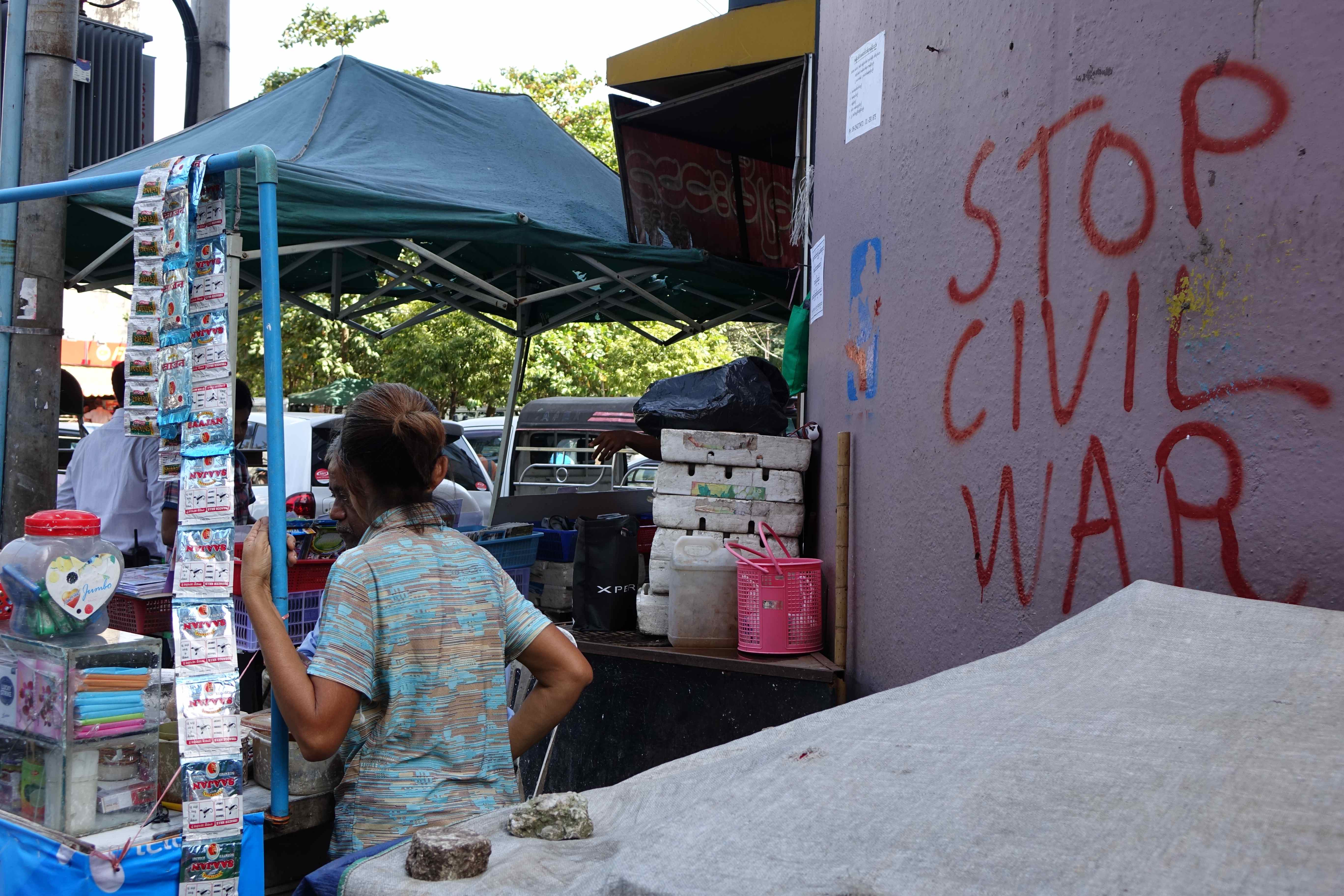
 First impressions from Yangon, Myanmar where I will be based until May 2016. The city has changed a lot in the last two years since I visited, mostly in terms of transportation and mobile phone use. What has remained the same are the great street food eateries, the use of loudspeakers to convey religious messages, lottery ticket sales and other important or not-so-important events. I missed the people a lot and its great to find almost everyone in good health and spirits. Nothing beats fieldwork, really! J.






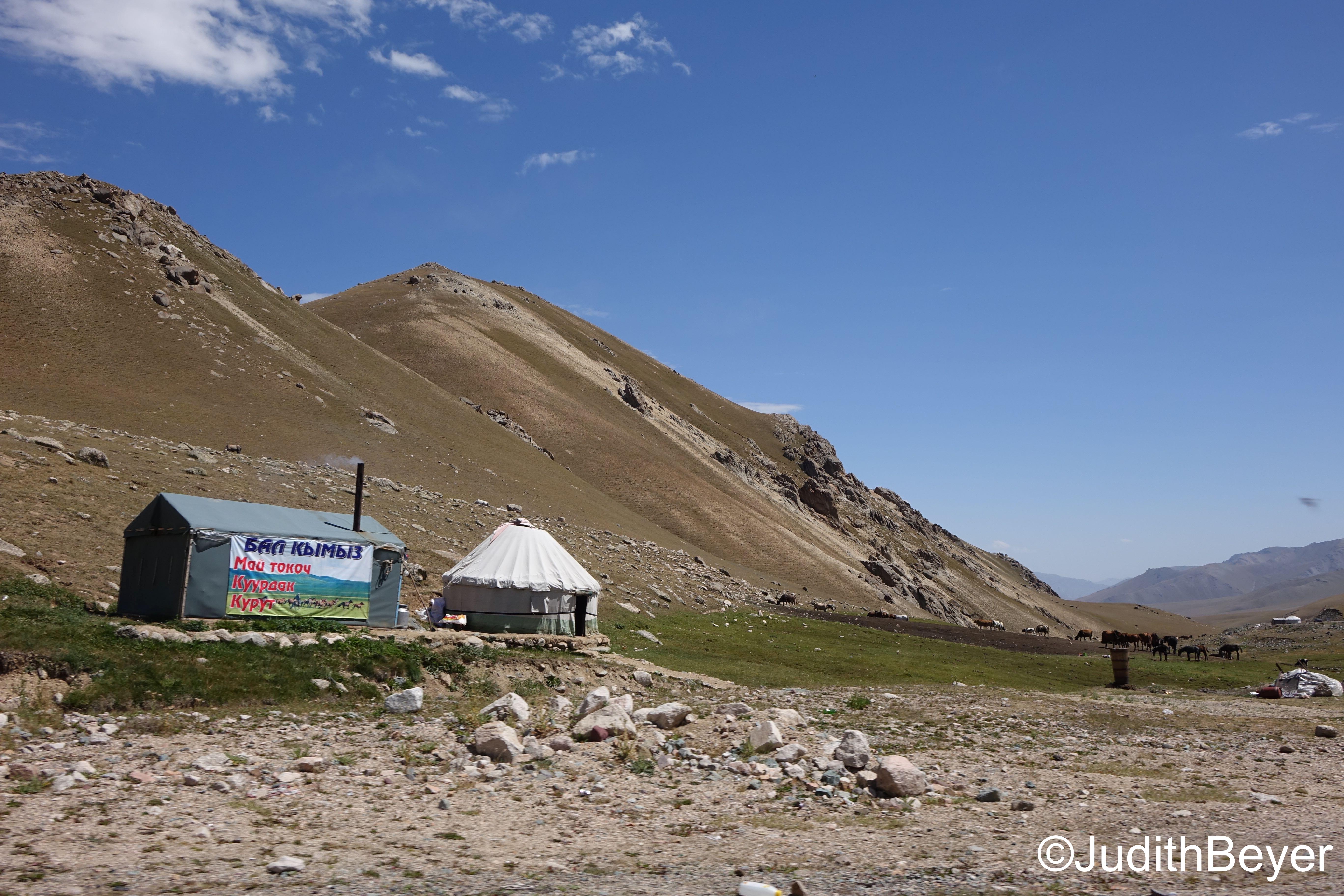
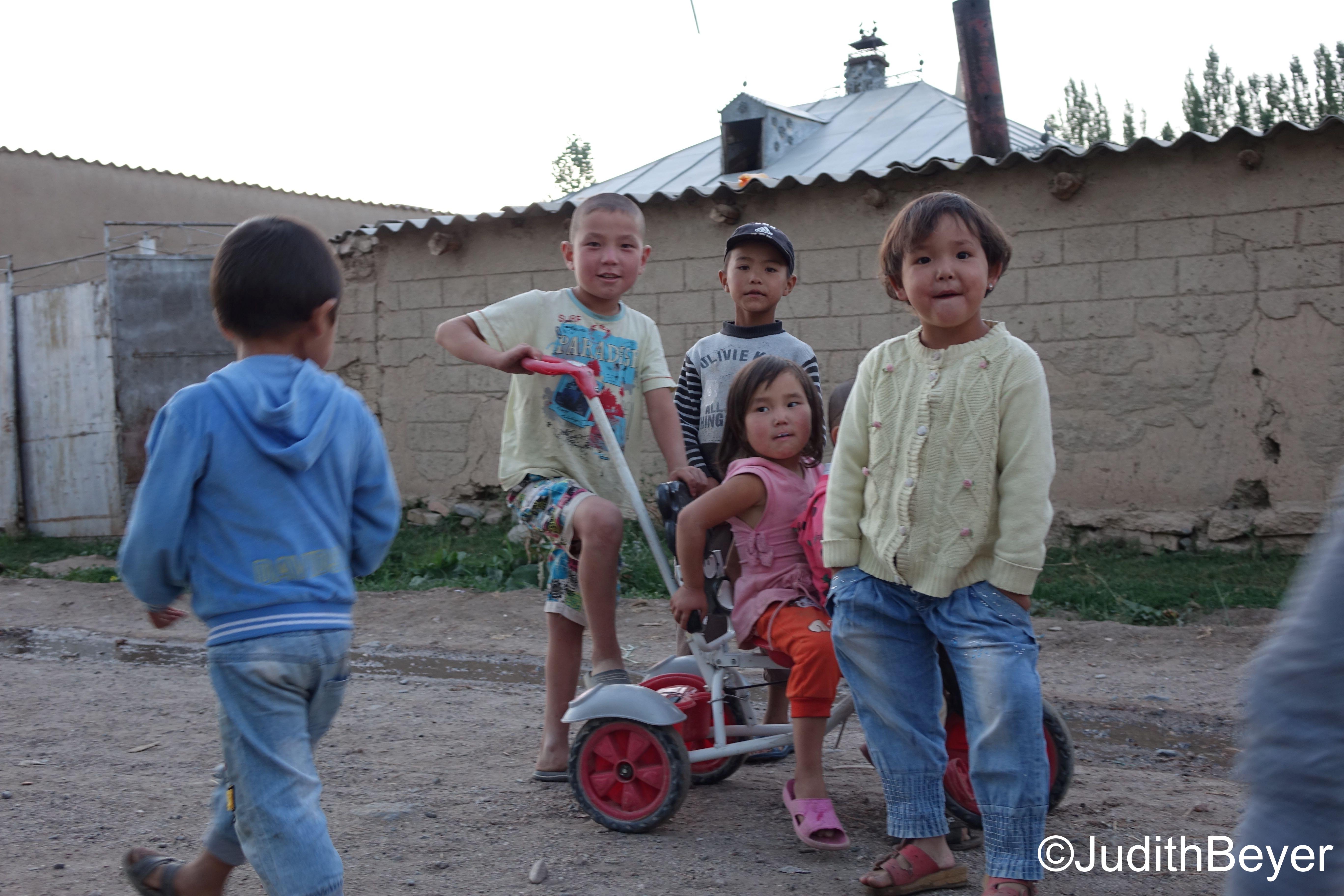
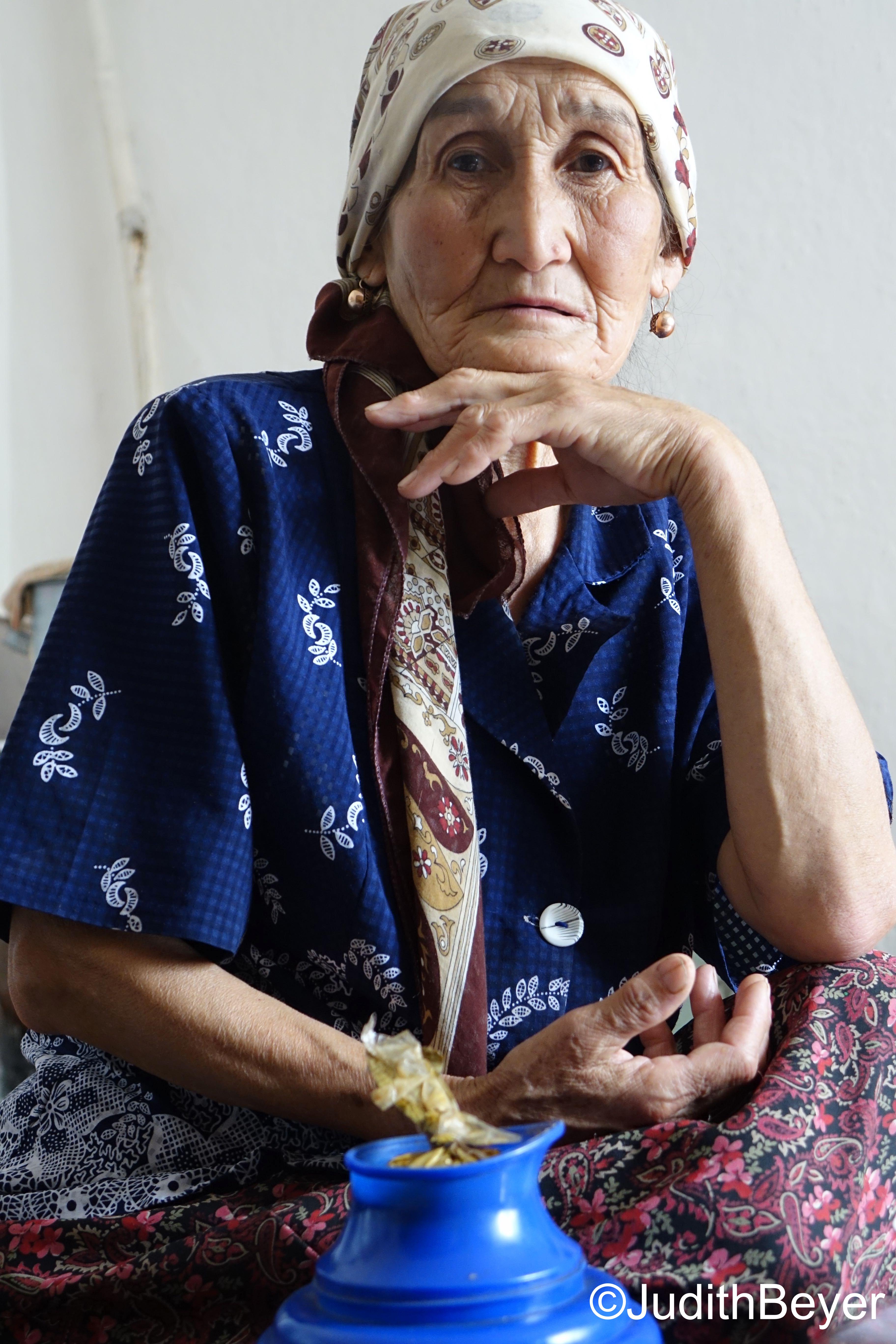
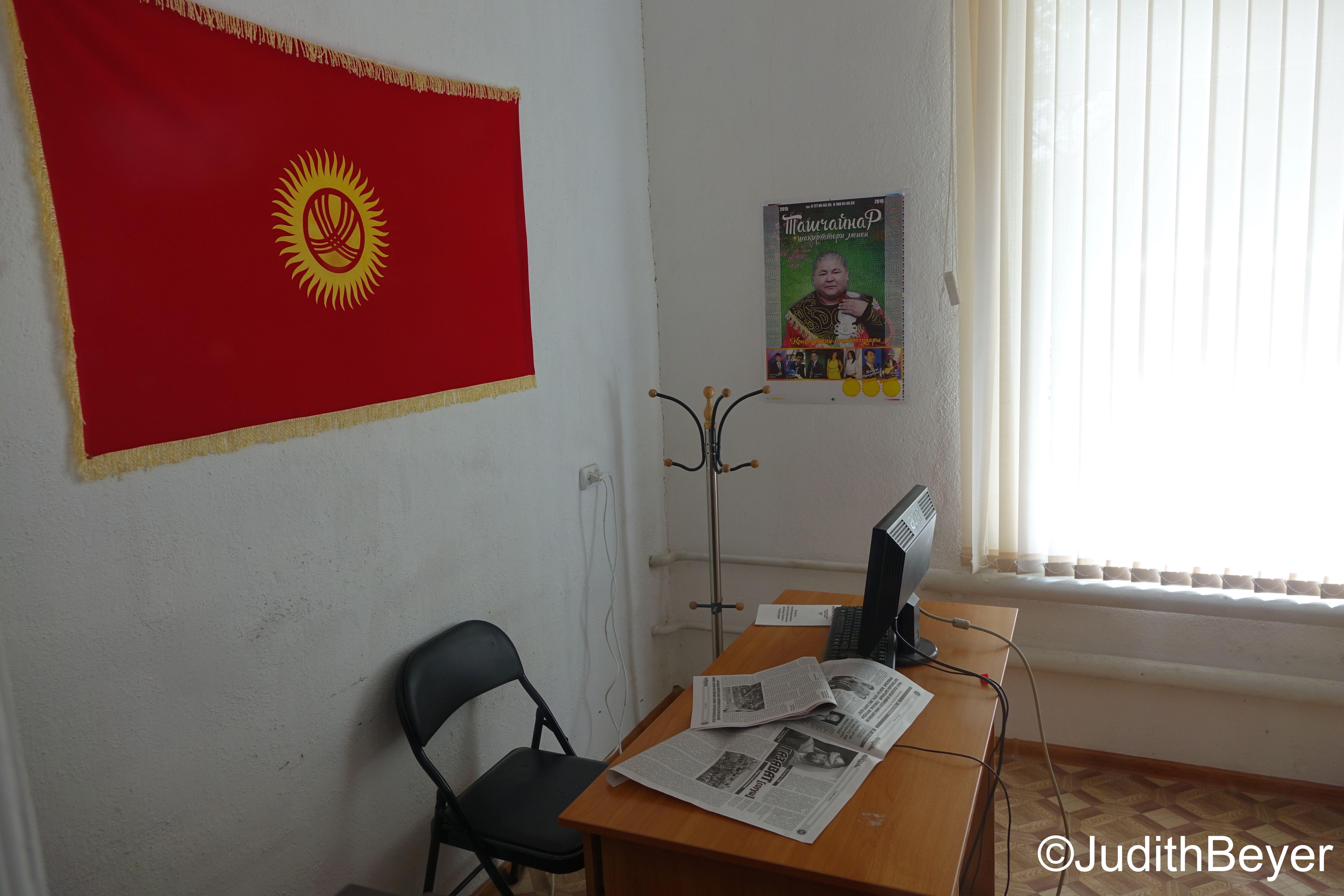
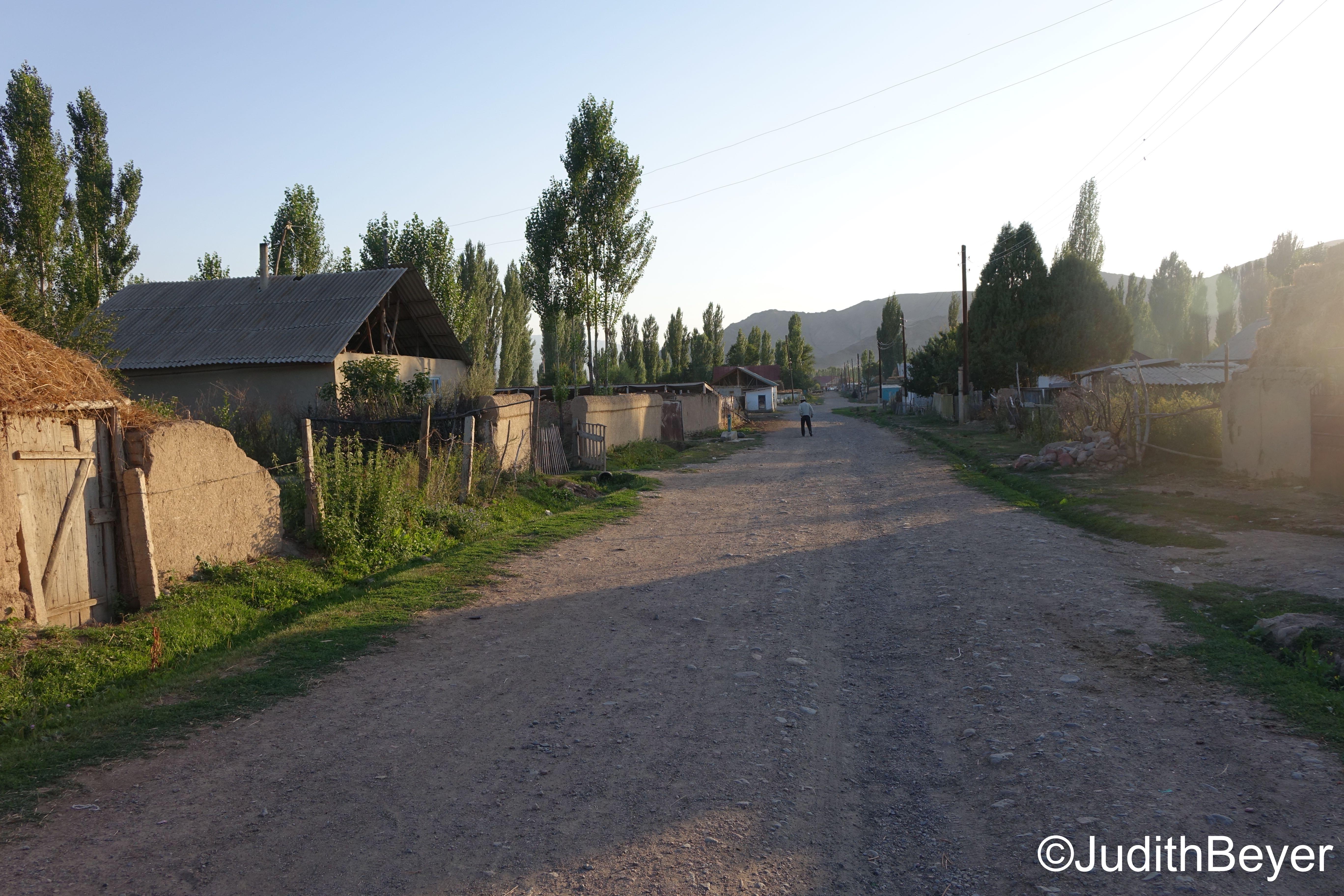
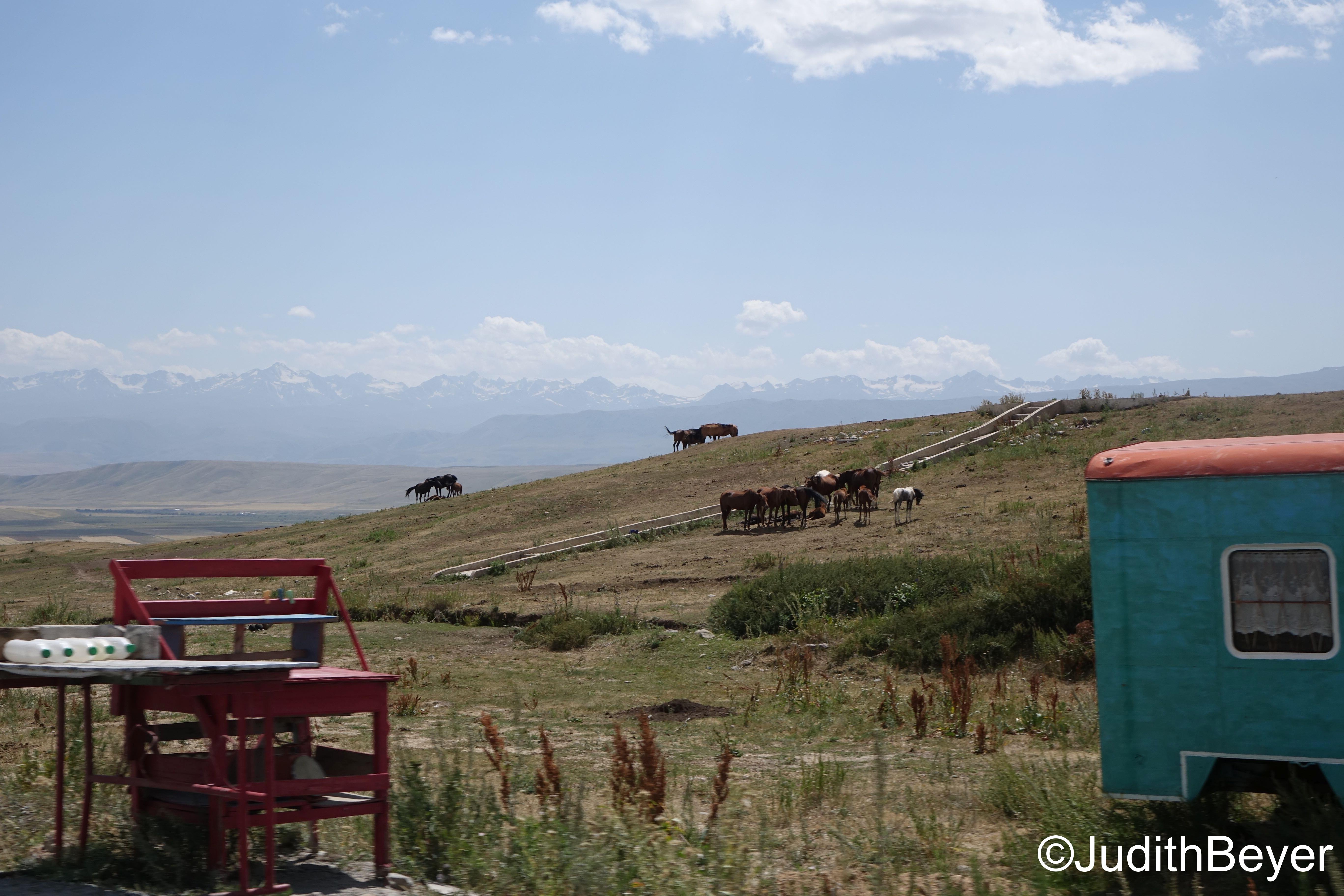
I carried out some follow-up fieldwork in Northern Kyrgyzstan in order to finish my book which is due at the end of September this year. I had a wonderful time, met old friends and made new ones and really enjoyed the cool and starry nights in my village in Talas province, and the hot days in the capital Bishkek.








Here is one of two seminars on “the state” I will be teaching in the coming Summer Term 2015 at the University of Konstanz.
All MA-students registered in Konstanz are welcome:
Statelessness: On the permanent state of exception
What does it mean to live without citizenship in the time of nation states? 10 million people globally find themselves in exactly this situation. As the UNHCR proclaims the end of statelessness in the context of its refugee work (the ‘iBelong-Campaign’) by 2020, more people are born into statelessness or lose their citizenship each day.
In this seminar we will work on ethnographic case studies focusing on the causes and consequences of statelessness. Legal sociological and legal anthropological texts as well as texts from legal philosophy will help us to reflect better on our own civic existence, as well as to critically question the concept of statehood as a ‘normality’ (e.g. with texts from Agamben, Arendt, Badiou). Literature on transnationalism and exceptional cases, in addition to current approaches that understand statelessness as a humane alternative to nation states, will broaden the scope of the seminar. An external speaker will report on stateless women in Central Asia, the so-called border brides.
Seminar requirements: regular participation; reading of texts; presentation of a case study.
 judith beyer