
Flâneuse [flanne-euhze], nom, du français. Forme féminine de flâneur [flanne-euhr], un oisif, un observateur flânant, que l’on trouve généralement dans les villes.
An incremental part of anthropology has always been photography for me. It can be used as an aide mémoire to simply remember where one has been or whom one has encountered on a particular day, thus substituting for fieldnotes. It can also be used as a methodological tool in order to detect the ‘minor modes’ in everyday life or in co-existence. A photograph can be scrutinized for its details, revealing more and more of them, every time one looks closer. But photography can also help express oneself when words fail. Rather than serving the eye, it serves the mouth that does not find the right words or ceases to speak alltogether. When used in this way, photography is neither only a method nor a product. It becomes a mode of existence in itself.
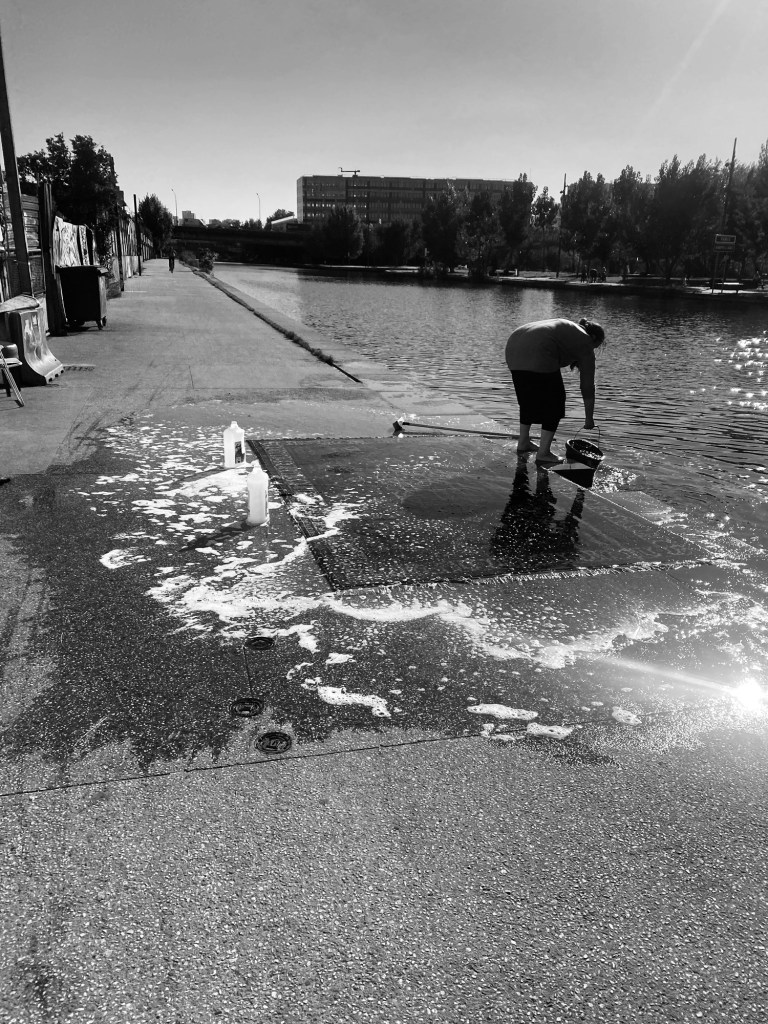
Femme vidant le canal
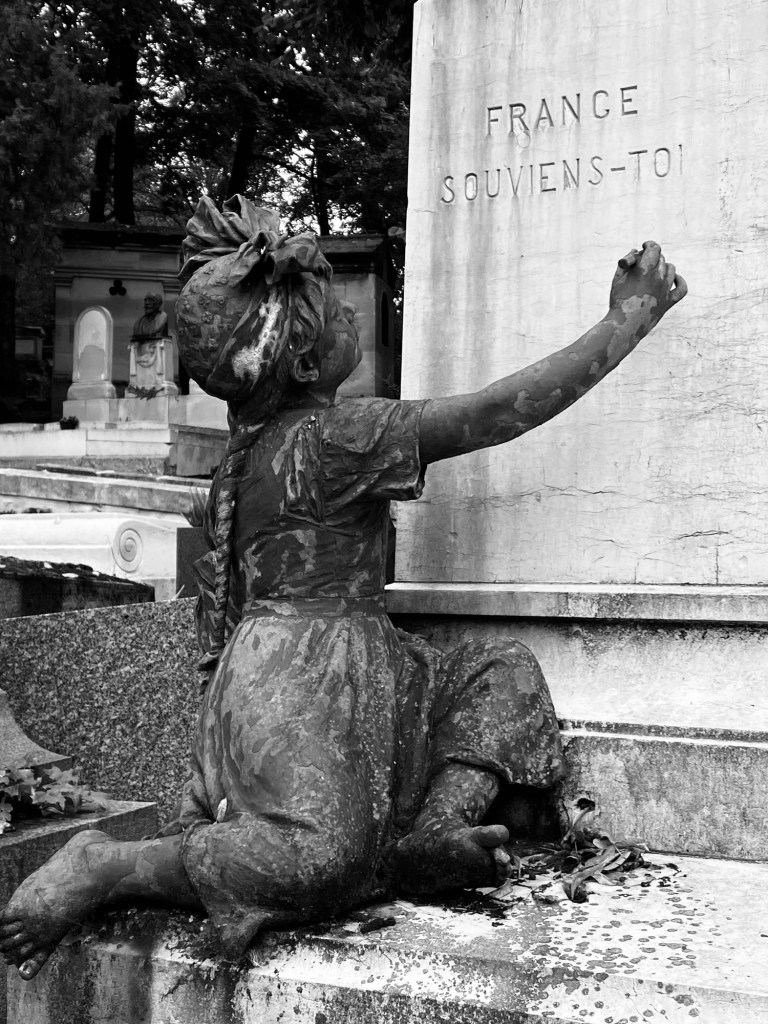
Une petite fille qui n’a aucun souvenir de la guerre exhorte les Français à s’en souvenir
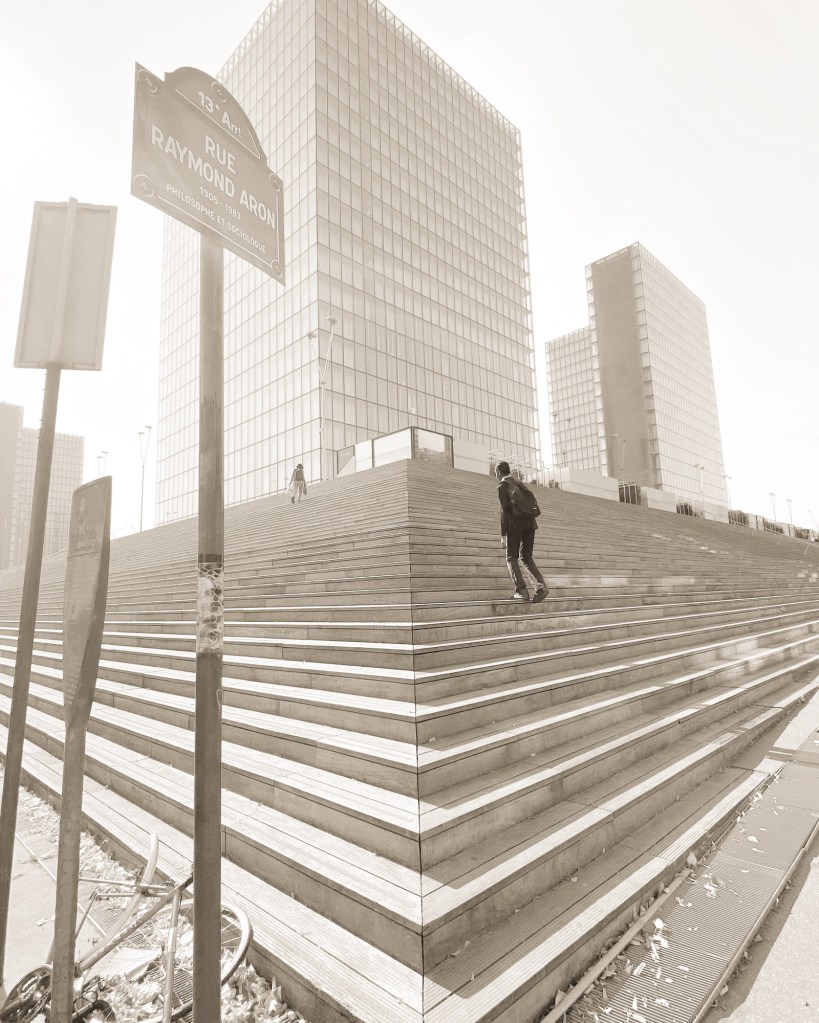
14 millions de livres enfermés dans quatre tours pendant que les chercheurs travaillent sous terre
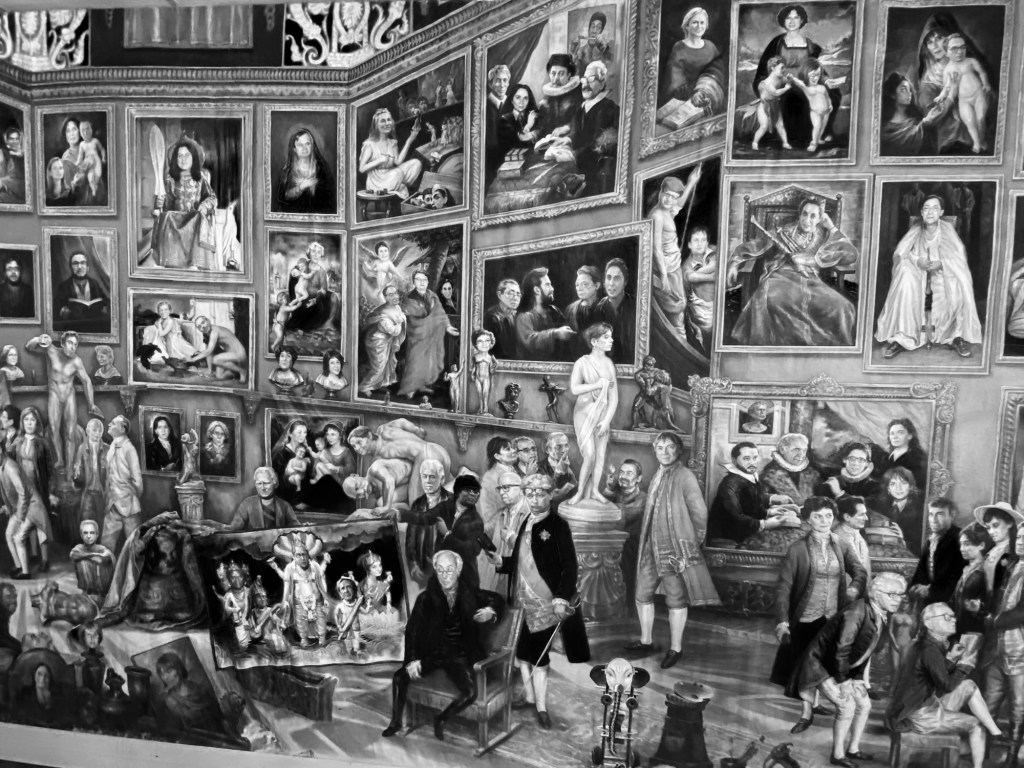
Partie d’une peinture murale de la faculté d’anthropologie de l’Université Paris-Nanterre, réalisée par un artiste déterminé.

Le Génie de la Liberté au sommet d’un arbre — illusions d’optique à la Place de la Bastille
 judith beyer