
Anthropology
Judith Beyer specializes in legal and political anthropology. She has carried out long-term ethnographic fieldwork in Southeast Asia (Myanmar) and Central Asia (Kyrgyzstan). She currently conducts multi-sited fieldwork in Europe.
Her current thematic interests are statelessness and the state, asylum and exile, we-formation and community, ethno-religious minorities, legal pluralism and expert activism.
Theoretically, she draws on political theory, Lacanian psychoanalysis, existential anthropology, and ethnomethodology.
Judith Beyer is full professor of Social and Political Anthropology at the University of Konstanz and a member of the International Advisory Board of Central Asian Survey.
Beyer has held various teaching and research positions in France: In 2024 she was Professeure invitée at the Anthropology Department of the University Paris-Nanterre, in 2019 she was Professeure invitée at the École des Hautes Études en Sciences Sociales (EHESS), and in 2018 she was awarded a Fernand Braudel Associate Directorship (Directeur d’Études Associés) by the Fondation Maison des sciences de l’homme (FMSH).
Mentoring
Judith Beyer serves as a mentor for Minerva-FemmeNet, the network for women at the Max Planck Society, for the European Association of Social Anthropologists (EASA) and the German Anthropological Association (DGSKA). She also works in private capacity.
Applied Work
Judith Beyer is co-partner of Die Bodenseher, an ethnographic research association based at Lake Constance in Germany, an associate member of the European Network on Statelessness (ENS), and a country-of-origin expert for asylum cases for the UK and Europe (registered with the Electronic Immigration Network).
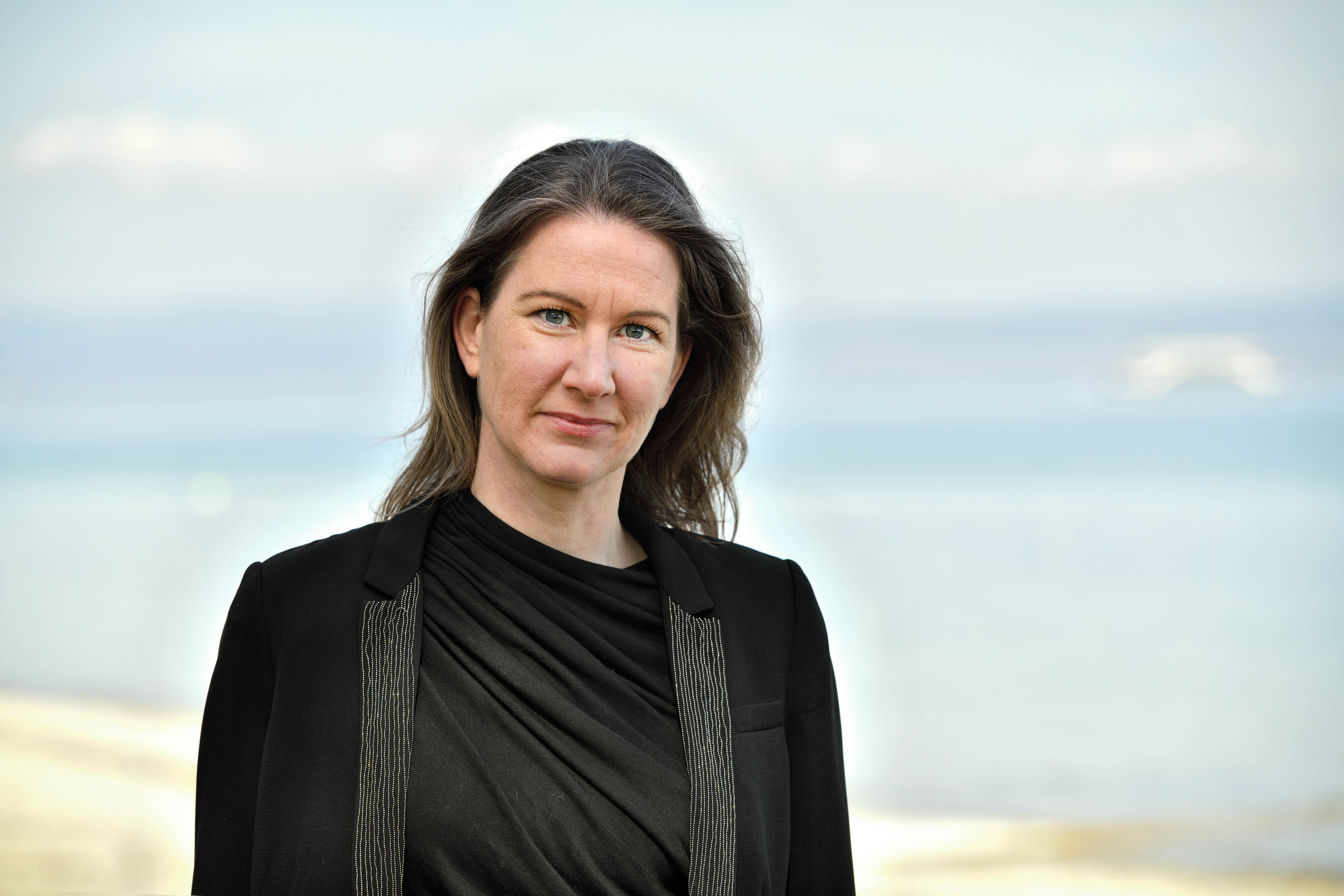
 judith beyer